


900,000 deaths each year! From incurable to complete clinical remission, colorectal cancer treatment is ushering in a paradigm shift
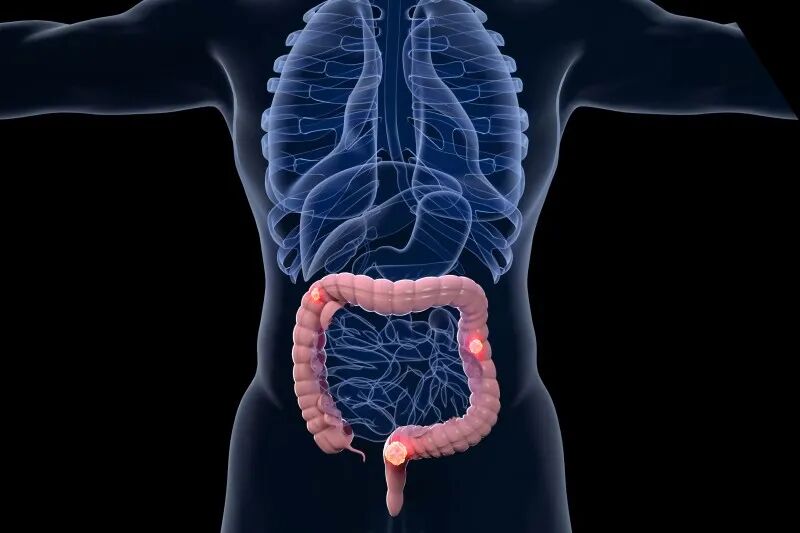
Colorectal cancer (CRC) is one of the most common malignant tumors worldwide. According to data from the International Agency for Research on Cancer (IARC) of the World Health Organization, there were approximately 1.926 million new cases and about 904,000 deaths globally in 2022, indicating a heavy disease burden. In China, with changes in lifestyle, the incidence and mortality rates have been continuously rising, making it the second most common cancer. For a long time, the treatment of advanced colorectal cancer has mainly relied on chemotherapy combined with targeted therapy, but the improvement in prognosis has been limited, especially for patients with specific mutation subtypes and microsatellite stable (MSS) type, for whom treatment options are particularly scarce.
source: globecancer
However, with the in-depth development of precision medicine, from 2025 to early 2026, the field of colorectal cancer witnessed multiple major breakthroughs ranging from targeted therapy and immunotherapy to perioperative management. Top journals such as The New England Journal of Medicine and Journal of Clinical Oncology consecutively published key studies, and the innovative pipelines of major pharmaceutical companies also entered a period of fruition, bringing patients a new dawn from 'incurable' to 'clinical complete remission'.
New Breakthroughs in Targeted Therapy: From 'Undruggable' to 'Precision Strikes'
1. BRAF V600E Mutation: First-Line Treatment Paradigm Completely Revolutionized
The BRAF V600E mutation is present in approximately 8-10% of metastatic colorectal cancers (mCRC), and traditionally, patients with this mutation have a very poor prognosis. This situation was completely changed in 2025. The Phase III BREAKWATER study conducted by Pfizer confirmed that the triple regimen of the BRAF inhibitor Encorafenib combined with the anti-EGFR monoclonal antibody Cetuximab and mFOLFOX6 chemotherapy extended median progression-free survival from 7.1 months to 12.8 months compared to conventional standard treatment, and overall survival was more than doubled (30.3 months vs. 15.1 months). Based on this, this regimen has been included in the NCCN guidelines as a recommended first-line treatment. In January 2026, Guardant Health announced that its Guardant360® CDx liquid biopsy received FDA approval as a companion diagnostic to rapidly identify patients carrying this mutation, ensuring precise treatment is implemented in a timely manner.
source: pfizer

source: guardant
2. KRAS G12C突变:联合疗法破解单药瓶颈
KRAS G12C突变在mCRC中占比虽不高,但治疗难度极大。CodeBreak系列研究证实,Sotorasib联合帕尼单抗显著优于标准治疗。而国产原研药物同样表现亮眼:氟泽雷塞单药治疗实现44.6%的客观缓解率(ORR),戈来雷塞联合西妥昔单抗方案更是将ORR提升至50%,彰显了本土创新力量在攻克“不可成药”靶点上的竞争力。
source; pubmed
3. Emerging Targets and New Technologies: The Strong Rise of DKK1 and ADC
· DKK1 Target: As a negative regulator of the Wnt signaling pathway, high expression of DKK1 is associated with poor prognosis. The DeFianCe Phase II study presented at the 2025 ESMO Congress showed that the anti-DKK1 monoclonal antibody Sirexatamab combined with chemotherapy extended median PFS to 9.03 months in the DKK1 high-expression subgroup, providing a new direction for this specific subgroup.
· ADC Drugs: Fosun Hanlin is fully advancing the clinical development of its innovative PD-L1 ADC HLX43. In February 2026, the first patient dosing was completed in an Ib/II study of HLX43 combined with the anti-PD-1 monoclonal antibody Surulimab or the anti-EGFR monoclonal antibody HLX07 for advanced/mCRC. HLX43 combines immune checkpoint blockade with cytotoxicity, does not rely on biomarker selection, and has broad-spectrum anticancer potential, offering a promising new option for later-line treatment.
A New Era of Immunotherapy: Covering the Entire Population, Overcoming the 'Cold Tumor' Dilemma
1. MSI-H/dMMR Type: The Miracle from 'Sphincter Preservation' to 'Avoiding Surgery'
For patients with high microsatellite instability (MSI-H/dMMR), immunotherapy has established a central role and is moving toward higher goals—organ preservation and even treatment avoidance.
· The 'Cure' Dawn for Rectal Cancer: The groundbreaking dostarlimab study that shook the medical world in 2022 continues to have an impact in 2025. After 42 patients with stage II-III dMMR rectal cancer received neoadjuvant therapy with dostarlimab, the clinical complete response rate (cCR) reached 100%, with patients not needing subsequent radiotherapy, chemotherapy, or surgery. This data prompted the FDA to grant it Breakthrough Therapy designation.
· Exploring organ preservation in colon cancer: For stage I-III dMMR colon cancer, Denmark is conducting the RESET C2 Phase II study to evaluate a 'Watch and Wait' strategy for patients who achieve cCR after neoadjuvant treatment with pembrolizumab, aiming to avoid unnecessary surgical trauma.
· Double immunotherapy plan consolidates frontline position: Long-term follow-up of the CheckMate 8HW study shows that first-line treatment with nivolumab combined with ipilimumab for advanced MSI-H/dMMR mCRC achieves a median PFS of 54.1 months, far superior to chemotherapy, providing solid support for patients to 'live long with tumor'.
2. MSS/pMMR Type: Combined Strategy Breaks the Ice
85% of people with colorectal cancer are microsatellite stable (MSS/pMMR) and have been previously 'ice cold' to immunotherapy. In 2025, multiple combination strategies successfully broke the deadlock.
· "Chemotherapy-free" dual immunotherapy regimen: The NEOTERIC Phase II study, led by Professor Xu Jianmin's team at Zhongshan Hospital affiliated to Fudan University, was published in the international top-tier journal Journal of Clinical Oncology. This study used a dual immunotherapy combination of Atezolizumab (PD-L1 inhibitor) and Tiragolumab (TIGIT inhibitor) to treat locally advanced rectal cancer, achieving a pathological complete response (pCR) rate as high as 35.7%. This "chemotherapy-free" strategy, while ensuring efficacy, is expected to significantly reduce the toxic side effects of traditional chemoradiotherapy and represents an important practice of the "green anticancer" concept.
source: pubmed
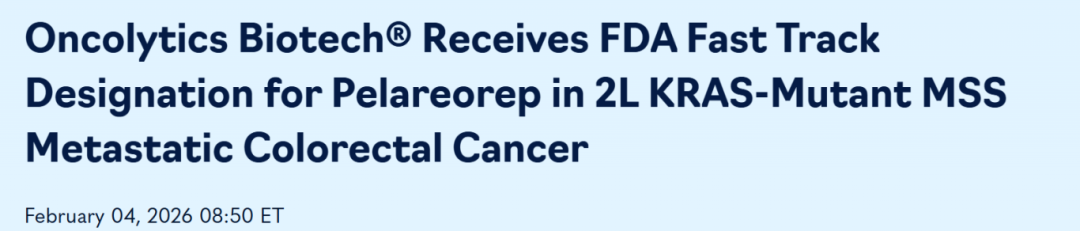
· Oncolytic Virus Targeting: Pelareorep, an oncolytic virus developed by Oncolytics Biotech, has made breakthroughs in KRAS-mutant MSS mCRC. In combination with bevacizumab and the FOLFIRI regimen, it achieved a 33% ORR, a median PFS of 16.6 months, and a median OS of 27 months in second-line treatment, which is 2-3 times higher than standard treatment (ORR about 10%). Based on this, the FDA has granted it Fast Track designation.
source: Oncolytics
Perioperative Precision Management: 'Subtraction' and 'Addition' Guided by ctDNA
1. Establishing the prognostic value of ctDNA: guiding treatment decisions
Circulating tumor DNA (ctDNA) testing has become a core tool in reshaping perioperative management. The Alliance N0147 study, published in the Journal of Clinical Oncology (involving over 2,000 stage III colon cancer patients), confirmed that the 5-year disease-free survival rate was only 27.7% for patients who were ctDNA-positive after surgery, while it was as high as 77.1% for ctDNA-negative patients, a risk difference of more than fivefold. This suggests that ctDNA status is a more precise predictor of recurrence than traditional TNM staging. Guardant Health's Guardant Reveal® test has been shown to accurately identify molecular residual disease (MRD), helping clinicians determine which patients require intensified adjuvant therapy and which patients can safely undergo 'de-escalated' treatment.

source: Guardant
2. The 'Efficiency Revolution' of Neoadjuvant Therapy
In locally advanced rectal cancer, the full-course neoadjuvant treatment (TNT) strategy of immunotherapy combined with chemoradiotherapy significantly increases the pCR rate. The SPRING-01 study showed that short-course radiotherapy combined with sindilizumab and the CAPOX regimen achieved a pCR rate of 59.2%, creating conditions for organ preservation in more patients.
Future Prospects
The series of breakthroughs in early 2025-2026 marks that the diagnosis and treatment of colorectal cancer has fully entered a new era of 'precise classification, optimized full-course treatment, and combined efforts.' From targeted combinations against rare mutations (BRAF, KRAS G12C), to dual immunotherapy and oncolytic virus strategies to overcome the 'cold tumor' barrier, and to dynamic personalized management guided by ctDNA, the treatment goal is shifting from 'maximal tumor eradication' to 'functional preservation that maximizes patient quality of life.'
In the future, with the deep integration of multi-omics technologies and liquid biopsy, as well as the emergence of more innovative ADC drugs and combination therapies, we hope to transform advanced colorectal cancer into a chronic disease and enable more early-stage patients to achieve a cure. As advocated by the 'CACA Frontier Broadcast,' the concept of integrative medicine will guide us to pursue 'tumor control and life support' as the ultimate goal, drawing the most suitable life trajectory for each patient.


