


Reshaping Immune Homeostasis: A New Era of Precision Treatment for Neuroimmune Diseases
Neurological autoimmune diseases such as multiple sclerosis (MS), myasthenia gravis, and neuromyelitis optica spectrum disorders are becoming the leading causes of non-traumatic disability among young and middle-aged adults worldwide. According to the latest estimates from The Lancet Neurology, more than 2.9 million people globally are affected by MS, with over 60,000 new cases each year. About 15% of patients progress irreversibly to secondary progressive multiple sclerosis (SPMS) 10-15 years after diagnosis, at which stage traditional anti-inflammatory drugs are largely ineffective.
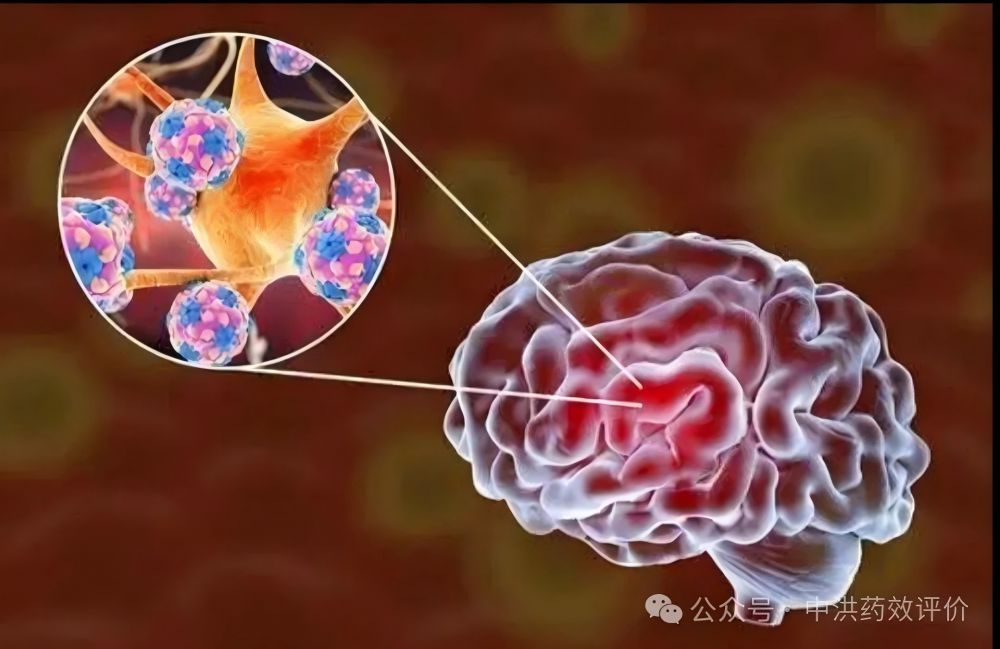
For a long time, clinical treatment has mainly relied on broad-spectrum immunosuppression, which can control peripheral inflammation but struggles to penetrate the blood-brain barrier to reach the pathological core within the central 'forbidden zone.' With the rapid development of single-cell multi-omics, gene editing, and new biological agents, regulating specific immune cell subsets and remodeling the central immune microenvironment has become a new key to tackling neuroimmune diseases.
Notch3 Regulation: The Core Mechanism of Treg Cell Homeostasis Imbalance
Defective function of regulatory T cells (Treg) is considered one of the initiating factors of neuroimmune inflammation, but how Tregs become unstable in the body and 'turn' into pathogenic cells has long been a mystery. In November 2025, a team from Harvard Medical School published a study in *Immunity* that revealed for the first time that the Notch3 molecule is a key switch driving the pathogenic transformation of Treg cells.
Core Mechanism: Research has found that in patients with relapsing multiple sclerosis (MS), a group of Treg cells expressing Notch3 significantly expands. This group of cells is induced by the gut microbiota through Toll-like receptor (TLR) signaling and subsequently migrates to the central nervous system (CNS) via an integrin-dependent mechanism. Upon entering the CNS, Notch3 interacts with the ligand DLL1 on microglia, promoting the conversion of Treg cells into pathogenic Th17 cells through the Hippo signaling pathway. Animal experiments show that specifically knocking out the Notch3 gene in Treg cells can completely prevent the onset of experimental autoimmune encephalomyelitis (EAE). More importantly, after clearing this group of 'betrayed' Notch3 Treg cells, a previously suppressed, tissue-resident Treg population expressing neuropeptide Y receptor 1 (NPY1R) can expand, effectively suppressing the outbreak of pathogenic IFN-γ and GM-CSF T cells.
Clinical translation: This discovery directly gave rise to a 'dual approach' therapeutic strategy. On one hand, Coya Therapeutics is advancing a project involving Treg-derived exosomes, which use allogeneic Treg exosomes to suppress pro-inflammatory macrophages and responder T cells. Since exosomes are terminally differentiated structures and are less prone to 'defection' under inflammatory conditions in the body, they have been shown to slow disease progression in models of neurodegenerative diseases such as ALS. On the other hand, interventions targeting gut-homing receptors have also been shown to block the migration of Notch3 Tregs to the CNS, providing a new target for early intervention.

CAR-T Cell Therapy: Achieving 'Immune Reset' in the Central Nervous System
If Treg regulation is correcting the 'directional deviation' of the immune system, then CAR-T therapy is a 'hard reboot' of the out-of-control immune system. After achieving miraculous effects in hematologic tumors and systemic lupus erythematosus, CAR-T is quickly entering the field of neuroimmunology.
In January 2026, a team from Tongji Hospital, affiliated with Tongji Medical College of Huazhong University of Science and Technology, published a study in Cell, confirming the remarkable efficacy of BCMA-targeted CAR-T cells in progressive multiple sclerosis. The study not only overturned traditional treatment paradigms but also revealed a new regulatory mechanism of the immune microenvironment in the central nervous system.
Four Major Core Findings: 1. Efficient Homing and Expansion: The infused CAR-T cells can efficiently migrate to the central nervous system compartments and significantly expand in the cerebrospinal fluid, which is unattainable by traditional antibody drugs (such as rituximab). 2. Deep Clearance of Pathogenic Cells: CAR-T cells significantly and persistently cleared pathogenic plasmablasts/plasma cells in various CNS compartments, terminating the intrathecal synthesis of pathological immunoglobulins. 3. Remodeling of the Neuroinflammatory Network: Single-cell multi-omics analysis showed that after CAR-T therapy, the strength of the intercellular interaction network constructed by B cells and microglia through pro-inflammatory signaling was significantly weakened, and levels of inflammatory cytokines were markedly reduced. 4. Superior Safety: No immune effector cell-associated neurotoxicity syndrome (ICANS) or severe infections were observed in the study.
Industry consensus: A review published at the same time in the Handbook of Clinical Neurology also pointed out that CAR-T cells can penetrate the blood-brain barrier and target ectopic lymphoid follicles that maintain 'compartmentalized inflammation,' providing a new pathway for the treatment of refractory severe myasthenia gravis and stiff-person syndrome.
A New Era of Small Molecule Targeting: From Microglia to NLRP3 Inflammasome
Although cell therapy shines brightly, small molecule drugs are still the focus of industry development due to their convenience and accessibility, especially in regulating innate immunity within the central nervous system.
LAT1 Inhibitor: Precisely Targeting Microglia
Microglia are the resident immune cells of the central nervous system, and their abnormal activation is a key factor driving the progression of SPMS. JPH034, developed by the Japanese company J-Pharma, is a LAT1 (L-type amino acid transporter 1) inhibitor with high blood-brain barrier penetration. In February 2026, the drug received IND approval from the U.S. FDA and is about to enter Phase I clinical trials for non-relapsing secondary progressive multiple sclerosis. Its uniqueness lies in leveraging the high expression of LAT1 on activated microglia to achieve precise drug delivery, thereby inhibiting the abnormal proliferation and neurotoxicity of microglia.

图源:J-Pharma
NLRP3 Inhibitors: Extinguishing the Central 'Unnamed Fire'
The NLRP3 inflammasome is a key driver of innate immunity and a bridge connecting metabolic abnormalities with neurodegeneration. ACI-19764, developed by Swiss company AC Immune, is a highly brain-penetrant oral small-molecule NLRP3 inhibitor. Preclinical data show that its Kp,uu value (an indicator of brain penetration efficiency) in rat brains reaches as high as 0.71. In diet-induced obese mouse models, it not only controls body weight but also significantly reduces the activation of Iba1-positive microglia and GFAP-positive astrocytes. The drug has now entered Phase I clinical trials in healthy volunteers and is expected to offer new therapeutic options for patients with Alzheimer's disease, Parkinson's disease, and MS with metabolic abnormalities.

Multi-omics and New Technologies: Mapping the Neuro-Immune Interaction Atlas
The surge in new targets is inseparable from innovations in technological tools. The Mayo Clinic team presented a high-throughput haplotype-matched neuron–T cell co-culture system at the 2025 American Association of Immunologists Annual Meeting. This system uses HLA gene-knockout neural stem cells, reintroducing patient-specific HLA molecules, enabling large-scale in vitro simulation of the cytotoxic interactions between neurons and CD8 T cells in patients. Live-cell imaging showed that CD8 T cells derived from MS patients can directly cause synaptic damage in autologous iPSC-derived neurons, while HLA blockade can partially prevent neuronal death. This system provides an unprecedented platform for screening individualized prognostic biomarkers and testing candidate drugs.
图源:The Journal of Immunology
At the same time, research on inborn errors of immunity (IEI) has also fed back into neuroimmunology. A review by the team of Liu Guojun from Inner Mongolia University of Science and Technology in Clinical Reviews in Allergy & Immunology pointed out that more than 70% of IEI patients have neurological symptoms. The mechanisms can be summarized as overlapping genetic bases (such as DNA repair gene mutations affecting both immunity and the nervous system) and shared molecular pathways (such as the PI3K-mTOR pathway). This suggests that the immune system and nervous system share the same 'codebook' in evolution, and interventions targeting the immune system will inevitably affect neurological function.
Current neuroimmunology research has moved from a 'one-size-fits-all' immunosuppression approach to a three-dimensional combat era of 'cell subset remodeling—microenvironment regulation—precise targeted delivery.' With the 'on-demand' iteration of CAR-T technology, the emergence of Treg homeostasis modulators, and the clinical advancement of highly penetrative small molecules, we have reason to believe that 'curing' neuroimmune diseases will move from dream to reality, fundamentally reducing the global burden of neurological disability.