Moving Beyond "Indiscriminate Intervention": A New Era of Precision Targeting for Antithrombotic Therapy
October 13th is World Thrombosis Day – a date established not only to commemorate Rudolf Virchow, the German physician who proposed the theory of blood circulation, but also to remind people that thrombosis, this "invisible time bomb", may lurk around anyone and threaten life and health at any moment. Do you think thrombosis is an "affliction exclusive to the elderly"? This perception may already be outdated. In today’s fast-paced world where sedentary lifestyles prevail, the risk of thrombosis is quietly closing in on a growing number of young people.

Image sourced the Internet
What is a thrombus?
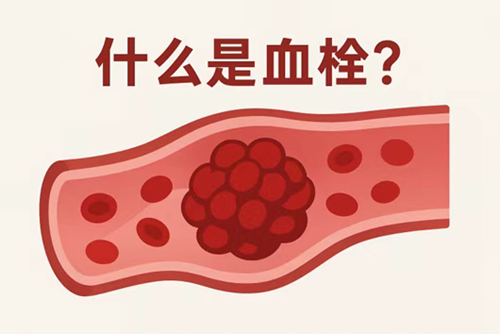
Image sourced the Internet
A thrombus, essentially, is a "blood clot" that forms inside blood vessels. Under physiological conditions, it serves as a crucial protective mechanism in the human body after injury, capable of effectively stopping bleeding. However, once it forms abnormally and uncontrollably within blood vessels, it transforms into a fatal "roadblock". Thrombi can occur in either arteries or veins, leading to severe consequences. Its hazards are mainly divided into two categories:Arterial thrombosis mostly arises from the rupture of atherosclerotic plaques, often triggering myocardial infarction (approximately 18 million cases worldwide annually) and cerebral infarction (around 13.7 million cases annually); these two conditions together account for 85% of all arterial thrombosis cases. Venous thrombosis, on the other hand, is prone to occur in the deep veins of the lower extremities. When a venous thrombus detaches, it can easily travel through the bloodstream and cause pulmonary thromboembolism (PTE) — among the approximately 10 million cases of venous thromboembolism worldwide each year, nearly one-third progress to this acute and life-threatening condition.
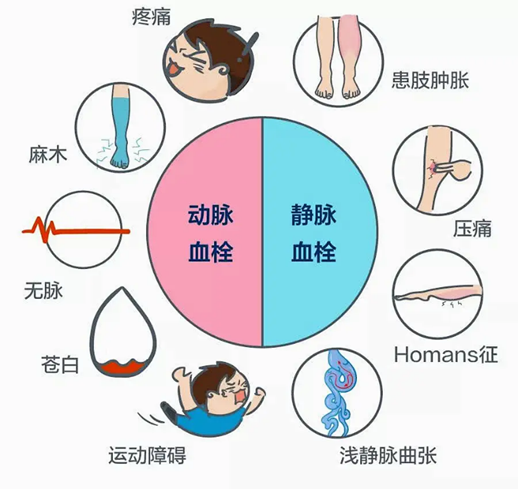
Image sourced the Internet
Evolution from Traditional Targets to Precision Intervention
The fundamental mechanism of thrombosis lies in vascular endothelial injury, abnormal blood flow status, and increased blood coagulability. These three factors can trigger thrombosis either independently or synergistically. Currently, commonly used antithrombotic drugs are mainly divided into two categories: one is antiplatelet drugs that inhibit platelet aggregation (e.g., the well-known aspirin and clopidogrel), and the other is anticoagulant drugs (e.g., heparin and warfarin).
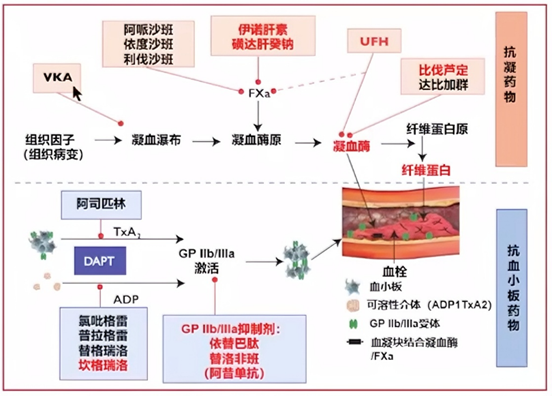
Image sourced Sanji Biotech
With the in-depth understanding of the mechanisms underlying arterial and venous thrombosis, the development of antithrombotic drugs has shifted from traditional agents targeting broad coagulation cascades to precision therapies directed at specific key targets. Platelet activation, thrombin generation, fibrin formation, and the fibrinolytic system constitute the core pathways of thrombosis, and corresponding targets—such as the platelet P2Y12 receptor and coagulation factors Xa/IIa—have become classical targets in the field. However, the long-standing dilemma of balancing efficacy and bleeding risk with traditional drugs continues to drive the exploration of novel targets and the iteration of antithrombotic agents.
In June 2024, Bevifibatide Citrate Injection, a first-in-class innovative drug independently developed by Bio-Thera Solutions, Ltd., was approved for marketing by China's National Medical Products Administration (NMPA). As a next-generation dual-target peptide inhibitor, it not only specifically antagonizes the platelet GPIIb/IIIa (αIIbβ3) receptor but also inhibits αvβ3 integrin in the vascular wall, featuring rapid onset of action, stable inhibitory effect, and rapid recovery of platelet function after drug discontinuation.
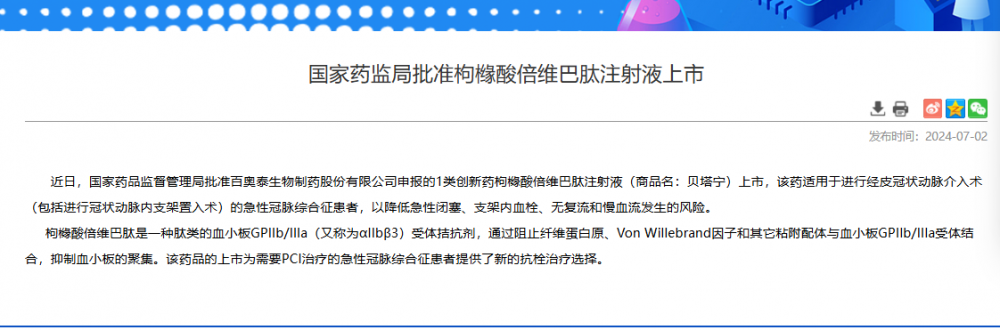
Image sourced NMPA
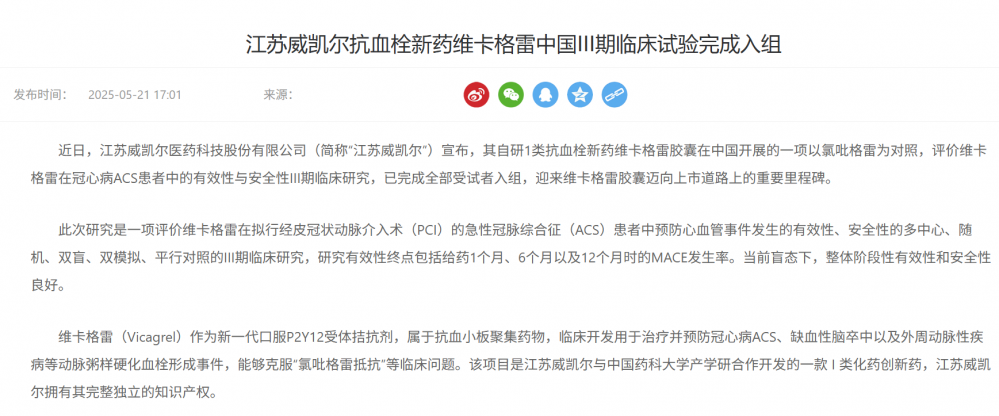
Image sourced Bio - Thera Solutions, Ltd
In May 2025, Vicagrel Capsules (a P2Y12 receptor antagonist) independently developed by Jiangsu Vcare Pharmatech Co., Ltd., completed full enrollment in its pivotal Phase III clinical trial. Directly using clopidogrel, the classic standard-of-care drug, as the comparator, this trial aims to verify its superiority in patients with acute coronary syndrome (ACS) of coronary heart disease, marking a new phase in China's innovative drug development targeting this established therapeutic area.
Image sourced Jiangsu Vcare Pharmatech Co., Ltd
In June 2025, Garadacimab, developed by CSL Limited, was approved for marketing by the U.S. Food and Drug Administration (FDA) as the world's first monoclonal antibody targeting activated coagulation factor XIIa (FXIIa). Indicated for the prevention of hereditary angioedema (HAE) attacks, its landmark significance lies in its theoretical ability to potently inhibit pathological processes triggered by the contact activation pathway without interfering with the body's normal physiological hemostatic function. Its core value is the inhibition of the FXIIa-mediated HAE attack cascade. Clinical studies have shown no bleeding or thrombotic events, with a safety profile comparable to that of placebo, thus realizing the ideal concept of "precision antithrombosis".
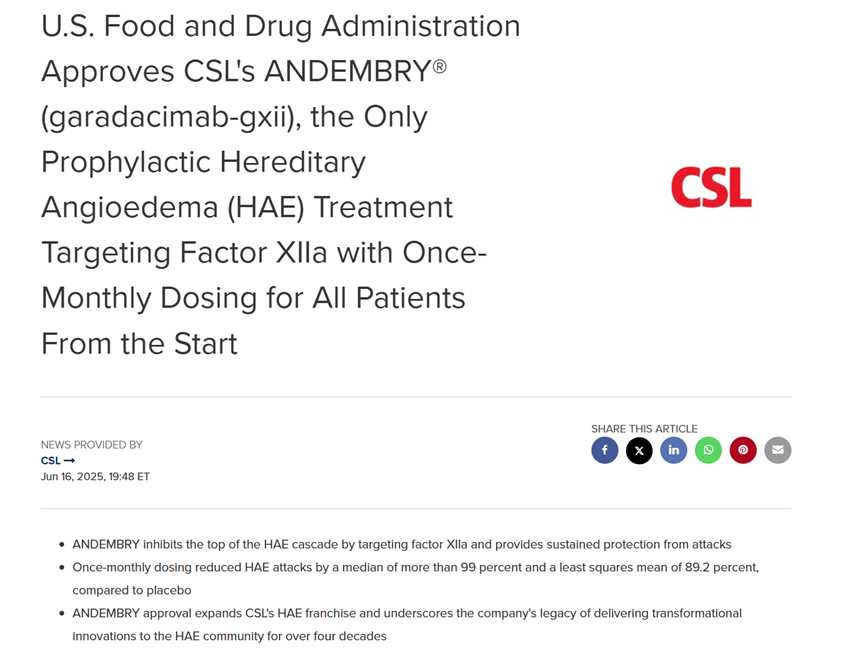
Image sourced PR Newswire
In June 2025, the phase II clinical trial results of SHR-2004, an independently developed factor XI (FXI) inhibitor by Jiangsu Hengrui Pharmaceutical Co., Ltd., were presented at a prestigious European academic conference. The data demonstrated that SHR-2004 exhibits significant efficacy and favorable safety profile in the prevention of venous thromboembolism(VTE).
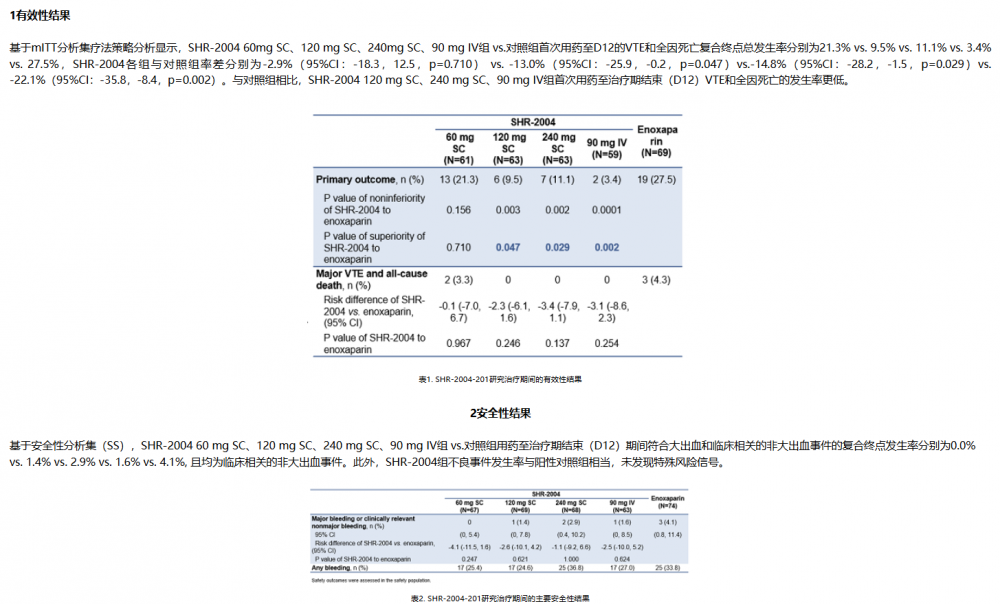
Image sourced Hengrui Pharma
In November 2025, Bayer announced breakthrough success of its orally administered Factor XIa (FXIa) inhibitor, asundexian, in a pivotal Phase III trial (OCEANIC-STROKE, NCT05686070). The study met its primary endpoint for preventing recurrent non-cardioembolic ischemic stroke, demonstrating that 50 mg once-daily asundexian in combination with standard antiplatelet therapy significantly reduced the risk of recurrent ischemic stroke without increasing the risk of major bleeding as defined by the International Society on Thrombosis and Haemostasis (ISTH) criteria. Asundexian has received FDA Fast Track Designation for this indication, laying a solid foundation for the final approval of this novel mechanism-of-action agent and opening a new direction for secondary stroke prevention.
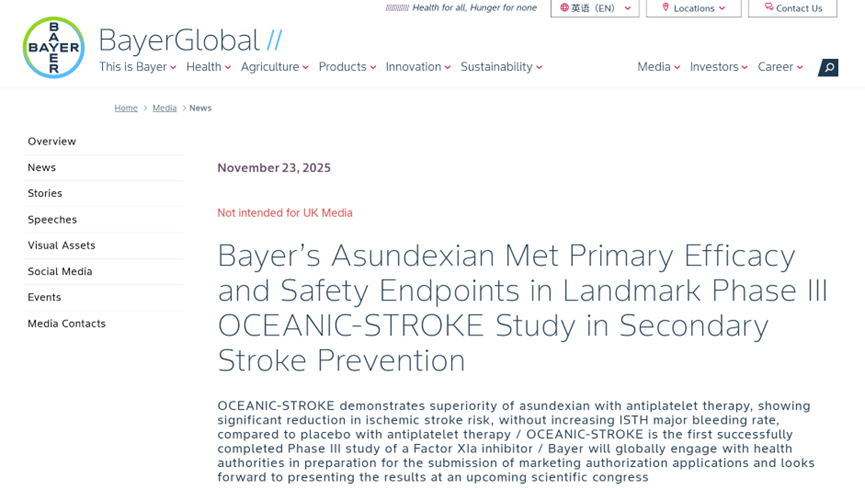
Image sourced Bayer
In summary, the current research and development (R&D) of antithrombotic drugs presents a clear "dual-track parallel" trend: first, in-depth optimization of traditional targets to develop next-generation agents with enhanced safety and efficacy; second, bold exploration of novel upstream targets such as coagulation factors XII and XI, aiming to fundamentally resolve the long-standing dilemma between antithrombosis and bleeding. From the rapid follow-up and optimization by Bio-Thera Solutions and Jiangsu Vcare Pharmatech, to the pioneering of cutting-edge mechanisms by Jiangsu Hengrui Pharmaceutical and Bayer, and further to CSL's launch of the world's first-in-class innovative drug, these advances are closely interrelated and collectively map out a roadmap for antithrombotic therapy to move toward a more precise and safer era.
This "dual-track parallel" R&D wave is not only rooted in unmet medical needs in clinical practice, but also anchored in mechanistic breakthroughs in basic medical sciences, and further embodies the innovative wisdom of Chinese and foreign pharmaceutical enterprises—domestic enterprises gain a first-mover advantage through iterations on mature targets, while multinational giants pioneer new frontiers in exploring cutting-edge mechanisms. Together, they propel antithrombotic therapy to officially step into a new era of "precision targeting" from the extensive "one-size-fits-all" era.
Zvast Bio Thrombosis Model
1.FeCl₃-Induced Rat Common Carotid Artery Thrombosis Model
Modeling: The right common carotid artery (RCCA) was dissected out from the neck of Sprague-Dawley (SD) rats. For the control group, the isolated RCCA was incubated with normal saline (NS); for the remaining groups, small pieces of filter paper impregnated with 10% ferric chloride (FeCl₃) solution were applied and incubated on the RCCA.
Positive Drugs: Clopidogrel Sulfate; Alteplase
Result:
(1)Thrombus Wet and Dry Weight
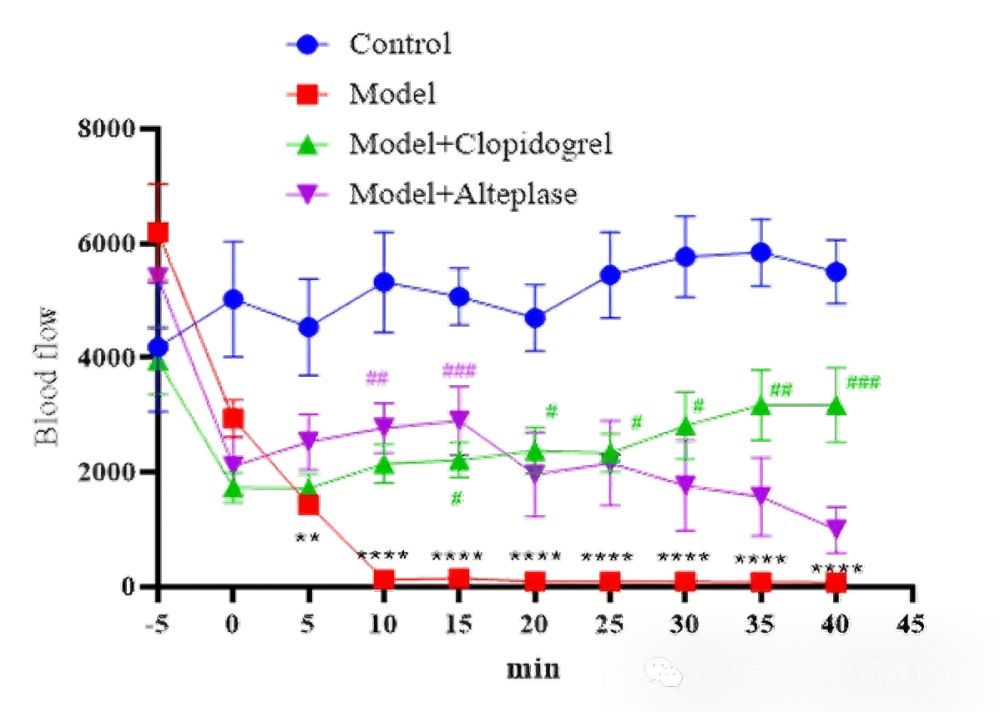
(2)Blood Flow Detection
Compared with the model group, P < 0.01
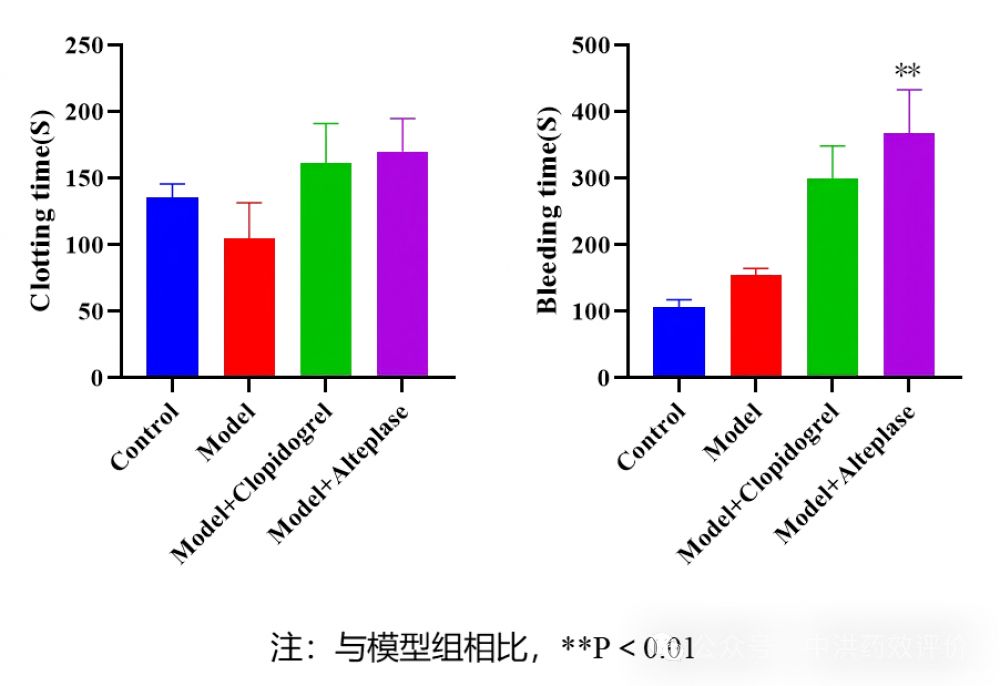
(3)Bleeding Duration and Coagulation Duration
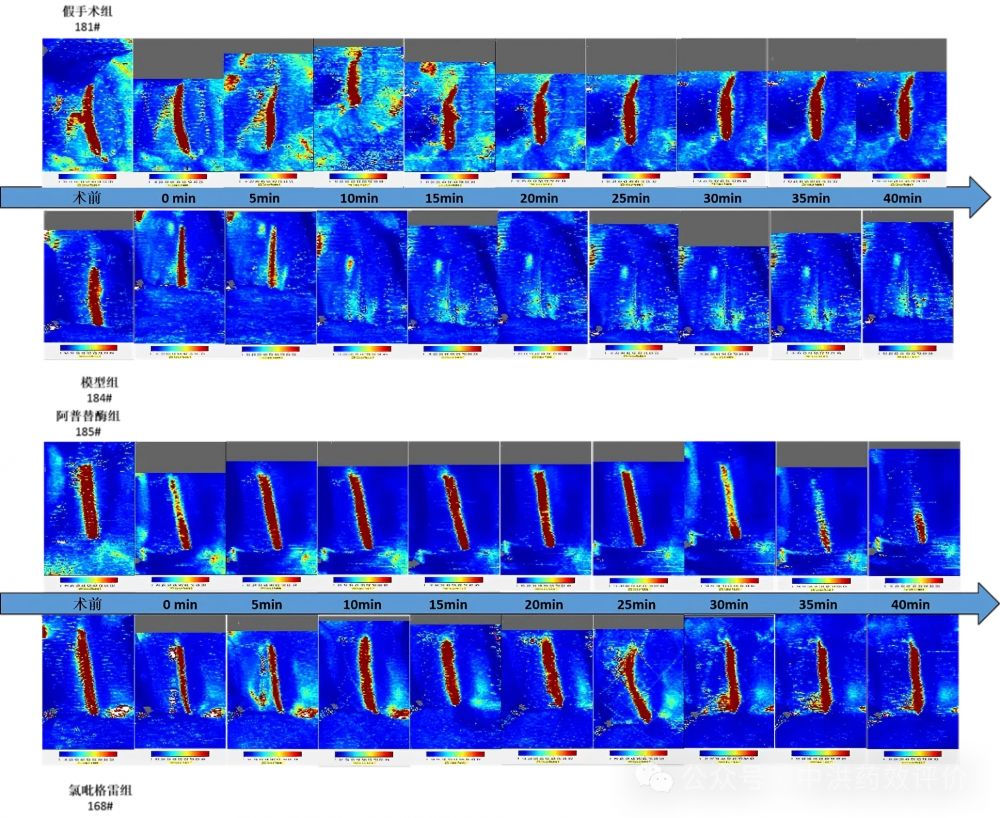
(4)Blood Flow Changes
2.Rat Deep Vein Thrombosis (DVT) Model
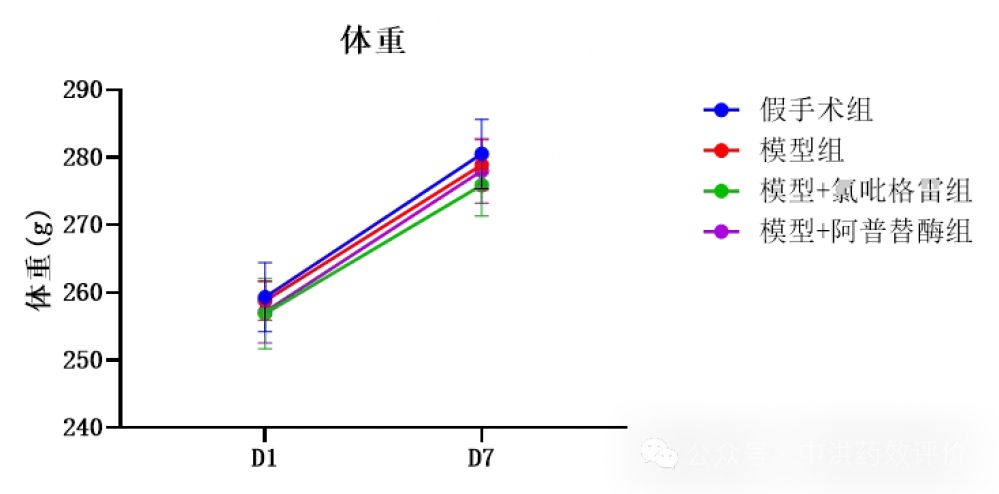
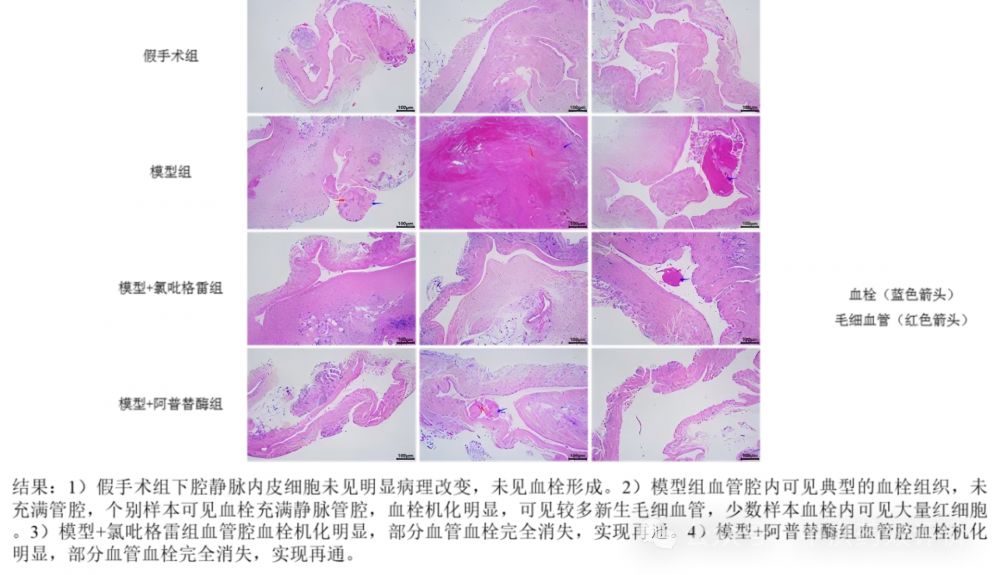
Model Establishment: Sprague-Dawley (SD) rats were randomly divided into groups. The sham operation group underwent sham surgical procedures. For the model group, the retroperitoneal fascia and connective tissue on the surface of the inferior vena cava (IVC) were dissected, and the IVC stenosis model was established via the stenosis method.
Positive Drugs: Clopidogrel Sulfate; Alteplase
Result:
(1)Weight
(2)Thrombus Wet Weight
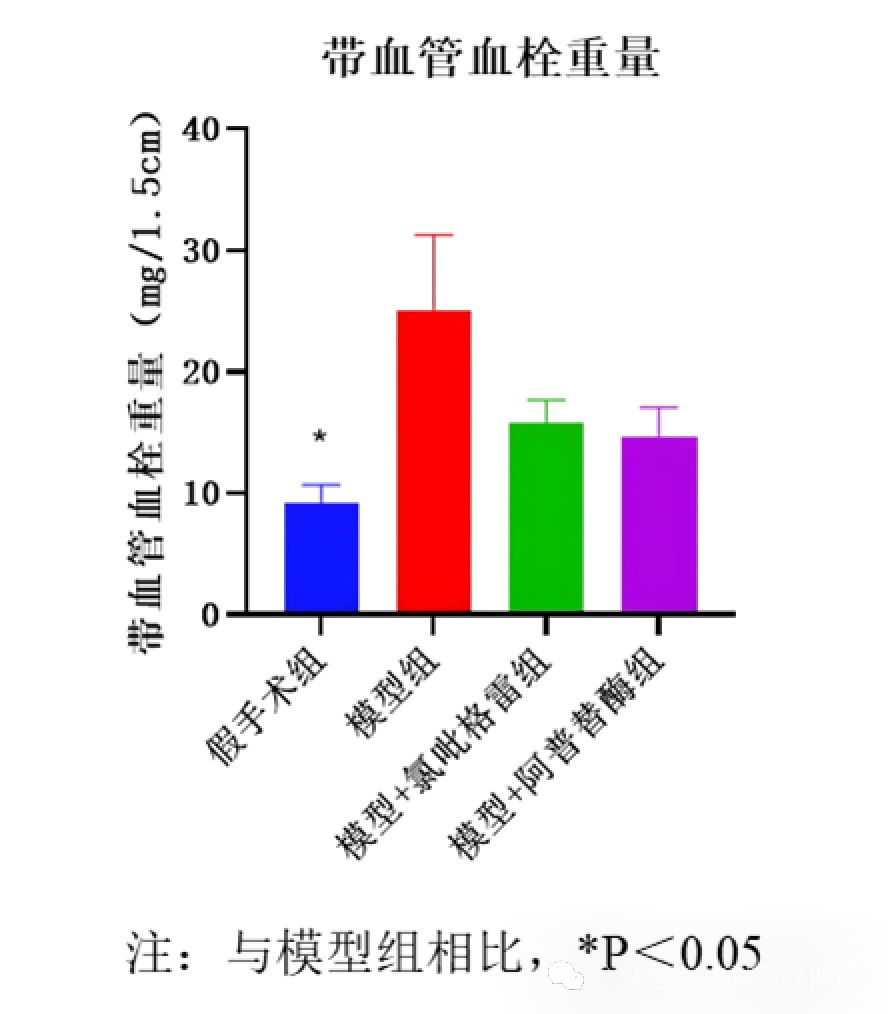
Compared with the model group, P < 0.01
(3)Pathological Detection
(4)ELISA
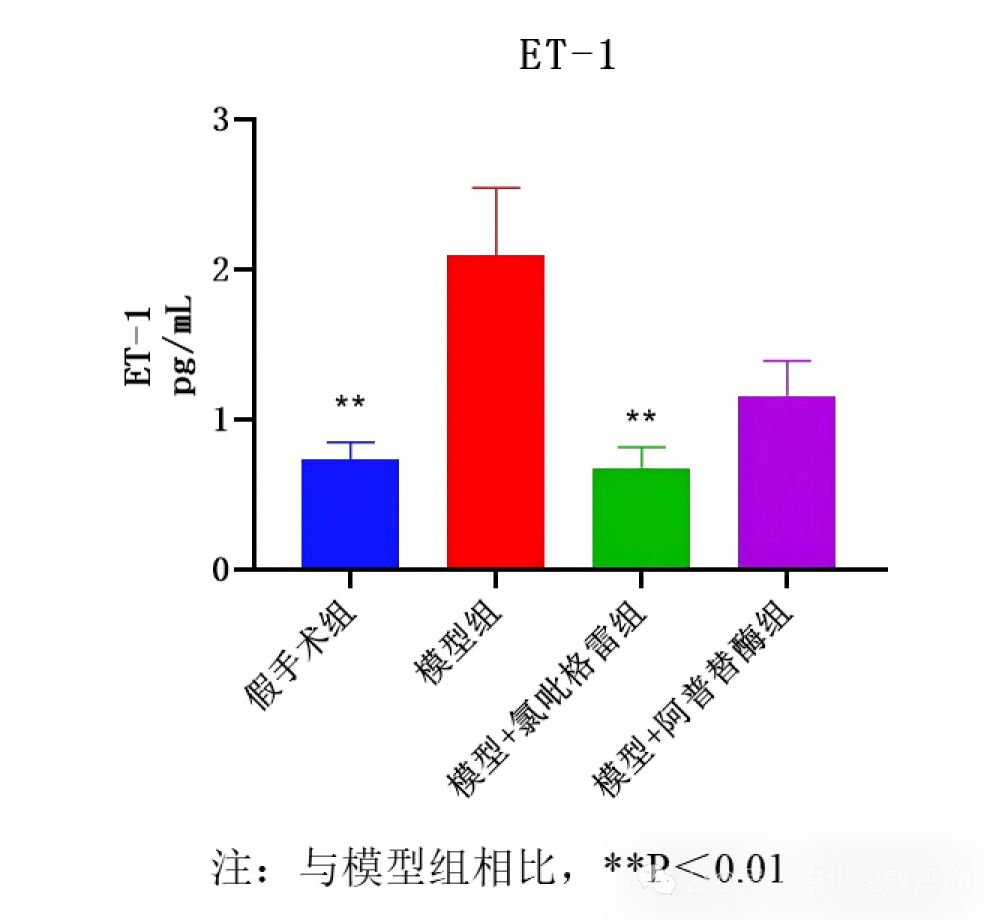
Compared with the model group, **P<0.01
3.Femoral Vein Thrombosis Model
Modeling: After Sprague-Dawley (SD) rats were anesthetized, incomplete ligation of the femoral vein (FV) was performed along the midpoint of the left inguinal region; the sham operation group only underwent dissection of the femoral vein without ligation.
Positive Drugs:Clopidogrel Sulfate; Alteplase
Result:
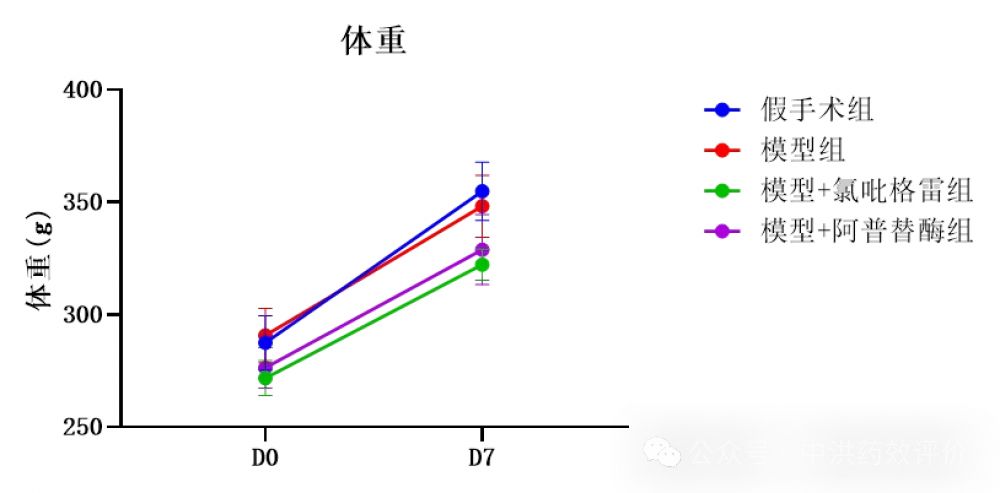
(1)Weight
(2)Thrombus Wet Weight
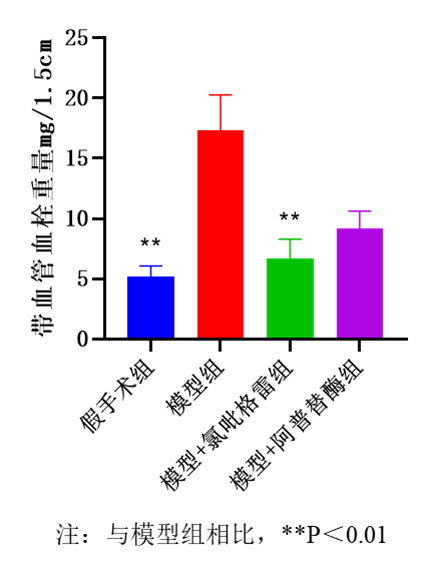
Compared with the model group, P < 0.01
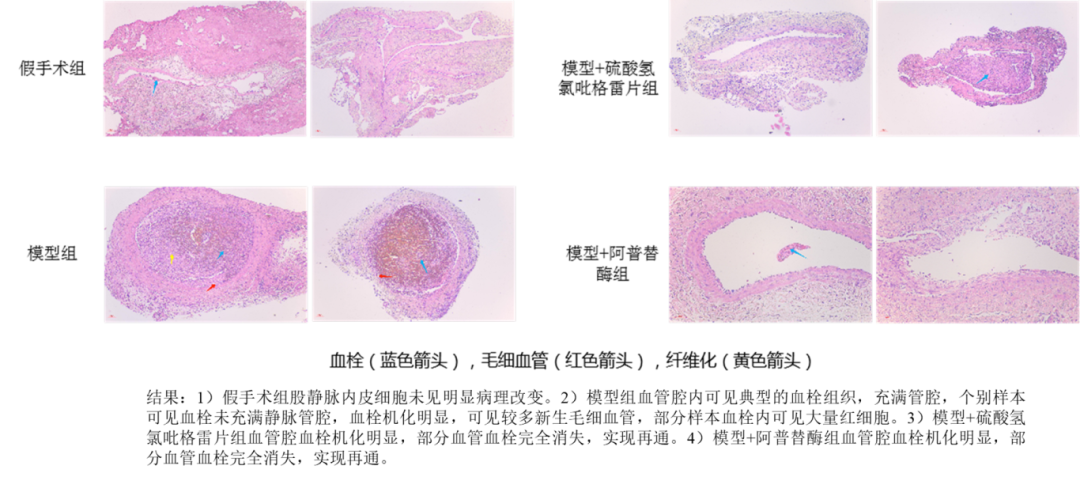
(3)Pathological Detection