2025 New Chapter in Cancer Therapy: Precision-driven Breakthroughs in Cancer-type-specific Targets, Long-term Survival No Longer a Distant Goal
In the arena of cancer treatment, every breakthrough in clinical research rekindles the hope of survival for countless patients. 2025 stands as a memorable milestone year on the global anti-cancer front. The U.S. Food and Drug Administration (FDA) approved a total of 46 new therapeutic drugs throughout the year, among which 16 (accounting for 35%) are for cancer treatment—far exceeding the five-year average proportion of 29%. With the successful launch of multiple innovative drugs, the treatment bottlenecks for complex cancer types have been broken one by one, bringing the possibility of "long-term survival" to a growing number of patients. Below, I will briefly introduce the key advances in lung cancer and prostate cancer.
Lung Cancer: Breakthroughs in Rare Targets
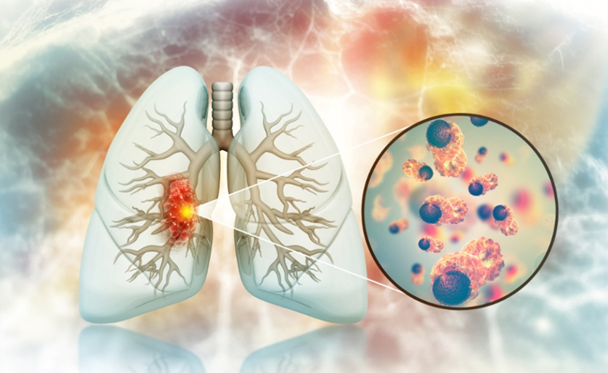
source: the Internet
Lung cancer, as the malignant tumor with the highest incidence and mortality worldwide, has always been a top priority in cancer treatment research. Particularly for patients with advanced lung cancer, after developing resistance to traditional radiotherapy and chemotherapy, or even first-line immunotherapy, they often fall into a dilemma of having no available treatments.
1. ROS1 Fusion: A New Star Emerges with Potent Intracranial Efficacy
ROS1 fusion is a rare target in lung cancer (with an incidence of approximately 1%–2%), yet it has a large patient population, mostly young non-smokers. It once faced the predicament of "targets identified but no targeted therapies" — radiotherapy and chemotherapy offered limited efficacy and significant side effects. In January 2025, taletrectinib (Dabole), a next-generation ROS1 inhibitor developed by Innovent Biologics, obtained full approval from China's NMPA for all relevant indications; in June 2025, the FDA approved taletrectinib for ROS1-positive non-small cell lung cancer (NSCLC). Its clinical data showed: the confirmed Objective Response Rate (cORR) reached 91%, the intracranial ORR was as high as 88%, and with a median follow-up of 23.5 months, the median Duration of Response (DoR) and Progression-Free Survival (PFS) have not been reached. Previously, this drug had already been approved for adult patients with locally advanced or metastatic NSCLC who experienced disease progression following ROS1-TKI treatment.
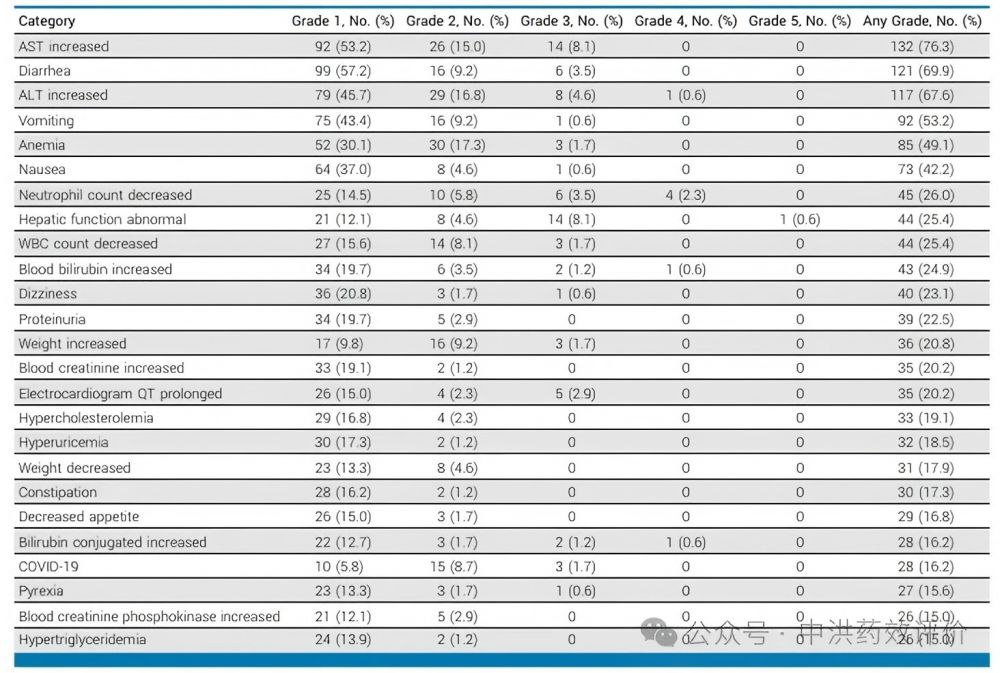
Source: Innovent Biologics
2.Small Cell Lung Cancer (SCLC): Breakthroughs in Immunotherapy Combination and Bispecific Antibody Therapy
Small Cell Lung Cancer (SCLC) accounts for approximately 15% of all lung cancer cases and is a highly malignant neuroendocrine tumor.Tarlatamab-dlle (Imdelltra), the world’s first approved DLL3 bispecific T-cell engager (BiTE), received accelerated approval from the FDA in May 2024 for adult patients with extensive-stage SCLC (ES-SCLC) who experienced disease progression following platinum-based chemotherapy, and obtained traditional approval in November 2025. Among pretreated patients with ES-SCLC, the median progression-free survival (PFS) was 4.2 months, and the median overall survival (OS) reached 13.6 months.
DLL3 is a specific antigen highly expressed on the surface of SCLC cells. Tarlatamab-dlle exerts its therapeutic effect through a unique mechanism: it simultaneously binds to DLL3-positive tumor cells and T cells, directing T cells to precisely kill tumor cells—this distinctive mechanism serves as the core guarantee of its efficacy.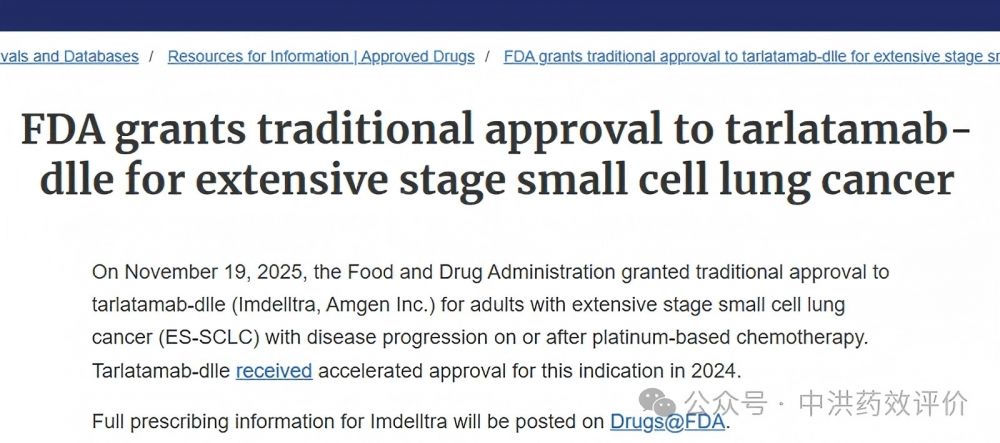
Source: FDA
3.TROP2 Targeting: ADC Drug Expands into the Treatment of EGFR-Mutated Lung Cancer
In June 2025, the U.S. Food and Drug Administration (FDA) granted accelerated approval to datopotamab deruxtecan (Dato-DXd) for the treatment of EGFR-mutated non-small cell lung cancer (NSCLC). As a TROP2-targeted antibody-drug conjugate (ADC), it offers a brand-new therapeutic option with a distinct mechanism of action for patients who have failed EGFR tyrosine kinase inhibitor (EGFR-TKI) therapy and platinum-based chemotherapy. Data from the Phase II TROPION-Lung05 study of Dato-DXd in NSCLC showed an objective response rate (ORR) of 43.6% and a median duration of response (DoR) of 7.0 months.
On June 23, 2025, the FDA officially granted accelerated approval for this lung cancer indication, which applies to adult patients with locally advanced or metastatic EGFR-mutated NSCLC who have previously received EGFR-targeted therapy and platinum-based chemotherapy. The approval was based on pooled data from the TROPION-Lung05 and TROPION-Lung01 studies. China’s National Medical Products Administration (NMPA) approved Dato-DXd on August 22, 2025, for adult patients with unresectable or metastatic HR-positive/HER2-negative breast cancer who have previously received endocrine therapy and at least one line of chemotherapy in the advanced disease setting. Currently, the lung cancer indication of Dato-DXd has not been approved in China.
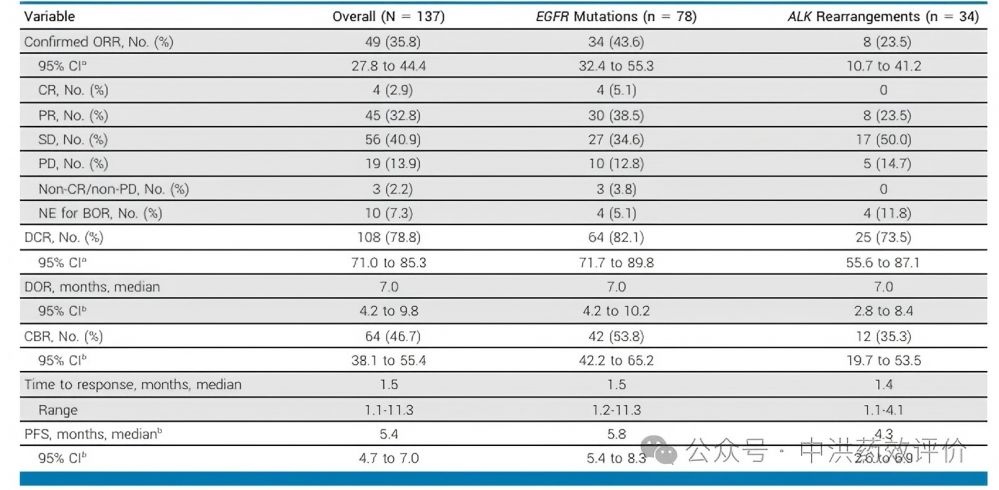
Sourced: Journal of Clinical Oncology
Prostate Cancer: Advancement of Treatment Lines and Clear Precise Stratification
Prostate cancer is one of the most common malignant tumors in the male urinary system. Its incidence rate has been on the rise year by year in China, emerging as a significant threat to men's health. Among its progression stages, metastatic castration-sensitive prostate cancer (mCSPC) and metastatic castration-resistant prostate cancer (mCRPC) are two critical phases, where treatment strategies directly determine patients' quality of life and survival period.
1. mCSPC Stage: Long-Term Benefits of Dual-Drug Therapy Confirmed, 8-Year Survival Achieved
In recent years, the dual-drug therapy of "novel hormonal agents + androgen deprivation therapy (ADT)" has become the first-line standard treatment for mCSPC. Two key long-term follow-up data sets released at the 2025 ASCO Annual Meeting further validated the long-term survival benefits of enzalutamide + ADT in mCSPC:
Results from the 5-year follow-up of the ARCHES trial showed that compared with ADT monotherapy, the enzalutamide + ADT regimen significantly reduced patients' risk of death by 30%. The high tumor burden subgroup—defined as tumors with large total volume, wide invasion range, or active progression in the patient’s body, reflecting the tumor’s "activity level" and "involvement scale"—benefited more prominently, with a 3-year extension in median survival.
The 8-year follow-up data of the ENZAMET trial revealed that the median survival period of the enzalutamide + ADT group reached 8 years, whereas that of the ADT monotherapy group was only 5.8 years. This once again confirmed the importance of early intensive treatment for mCSPC patients.
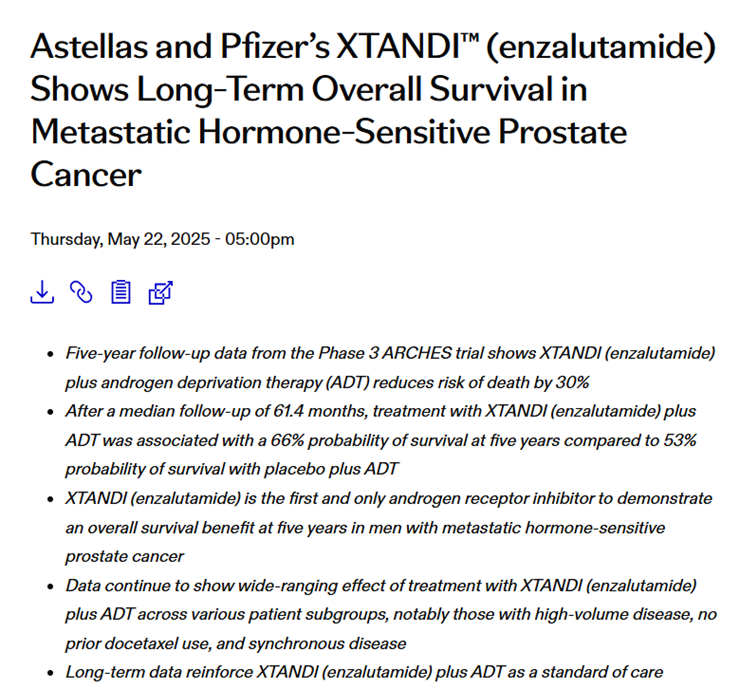
Source: Pfizer
2. mCRPC Stage: Radionuclide Therapy Fully Covers Multiple Treatment Lines
PSMA-targeted radionuclide therapy, represented by ¹⁷⁷Lu (lutetium-177), marks a major breakthrough in the treatment of metastatic castration-resistant prostate cancer (mCRPC). In March 2025, based on phase III PSMAfore study data, the FDA expanded the indication to an earlier line of therapy, approving it for PSMA-positive patients who have failed androgen receptor pathway inhibitor (ARPI) treatment and are not yet eligible for chemotherapy. It thus became the first and only targeted radionuclide therapy option for this patient population.
Its mechanism of action is as follows: it precisely recognizes and binds to the prostate-specific membrane antigen (PSMA) protein on the surface of tumor cells, then delivers beta radiation to destroy tumor cells, exerting an inhibitory effect on metastatic lesions throughout the body. Studies demonstrated that the median survival time of the treatment group was nearly 6 months longer than that of the conventional therapy group, which significantly alleviated bone metastasis-related pain and improved patients’ quality of life.
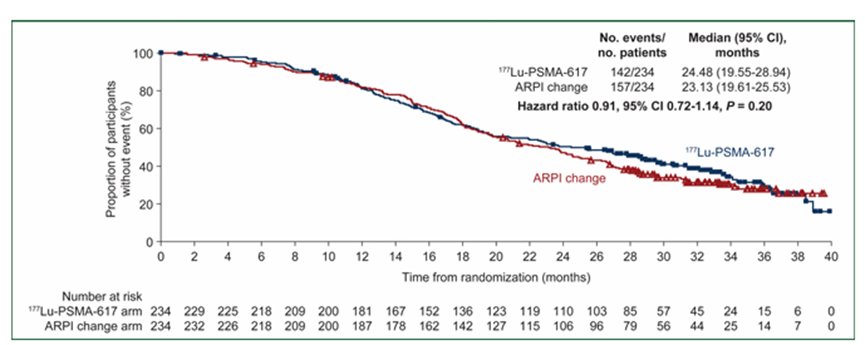
Source: Annals of Oncology
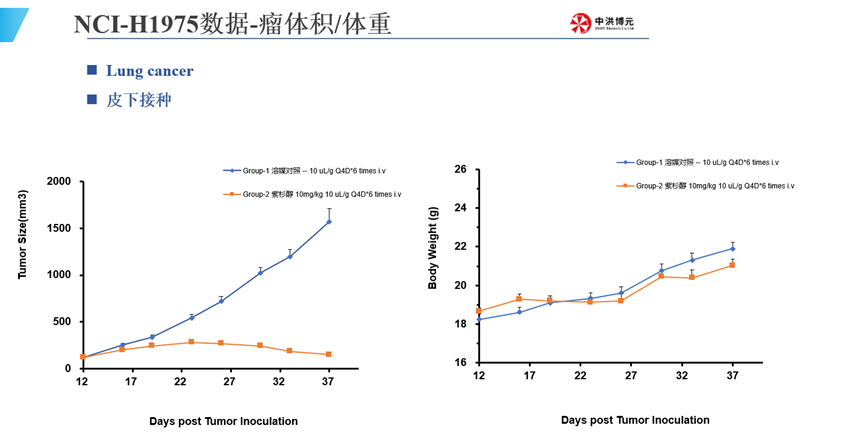
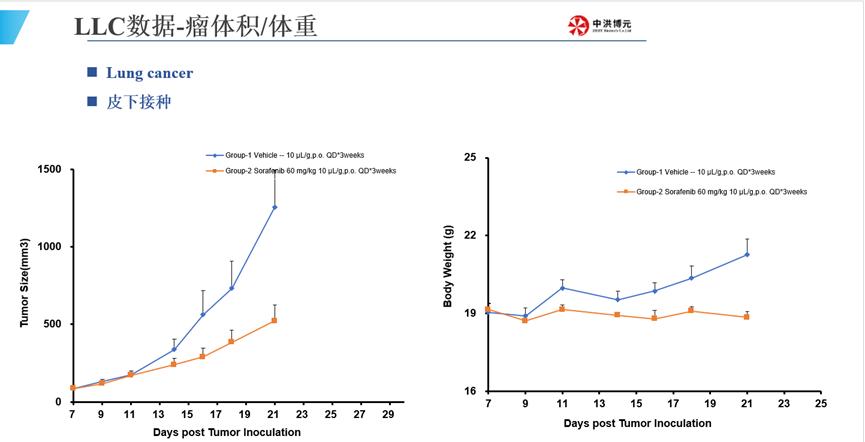
Zvast Biotchenology Lung Cancer Models
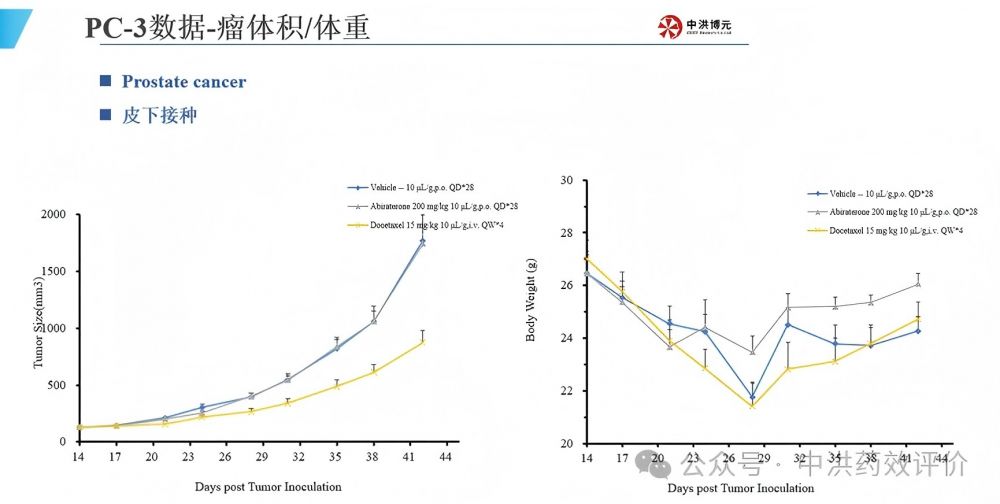
Zvast Biotchenology Prostate Cancer Models