


Accelerating MS R&D in 2025: Translating EAE Insights into Clinical Candidates
Multiple Sclerosis (MS) is an incurable autoimmune neurodegenerative disorder. Key symptoms include limb weakness, sensory disturbances, vision loss, and ataxia. Manifesting as either "relapsing-remitting" or chronic progressive, MS significantly compromises patient quality of life.
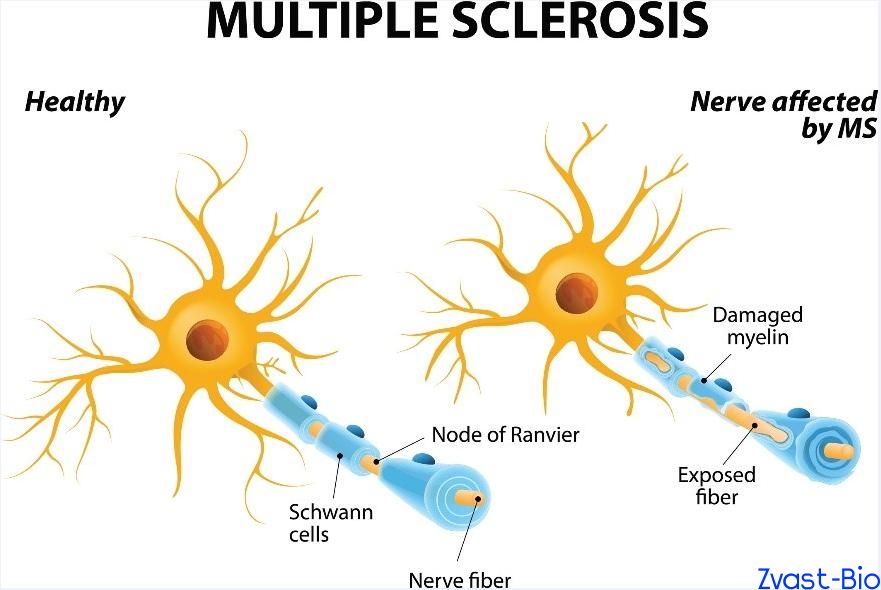
Experimental Autoimmune Encephalomyelitis (EAE) is the most classic and widely used animal model, whose pathological features are highly consistent with MS. EAE can be induced in rodents through active immunization or passive transfer of pathogenic T cells, and its research progress directly facilitates breakthroughs in the diagnosis and treatment of human MS.
Traditional treatments focus on "inhibiting immune attacks," making it difficult to solve the core problem of irreversible nerve damage. The current MS/EAE treatment system has a clear stratification: first-line treatments are mainly non-specific immunosuppressants such as glucocorticoids (accounting for over 60% of applications), but lack specificity; second-line treatments are specific targeted drugs such as Ofatumumab (applied in 35% of refractory patients), showing initial precision but limited scope of application; overall, traditional immune targets such as TNF-α dominate (accounting for over 70%). There remains a significant unmet need as 15%-47% of patients have poor efficacy and neurorestorative drugs are lacking.
Three major therapeutic hotspots are emerging in 2025, driving the transformation of EAE treatment toward "Precision Regulation + Active Repair."
Targeting the Kir4.1 Channel: Unlocking the "Key Switch" for Myelin Regeneration
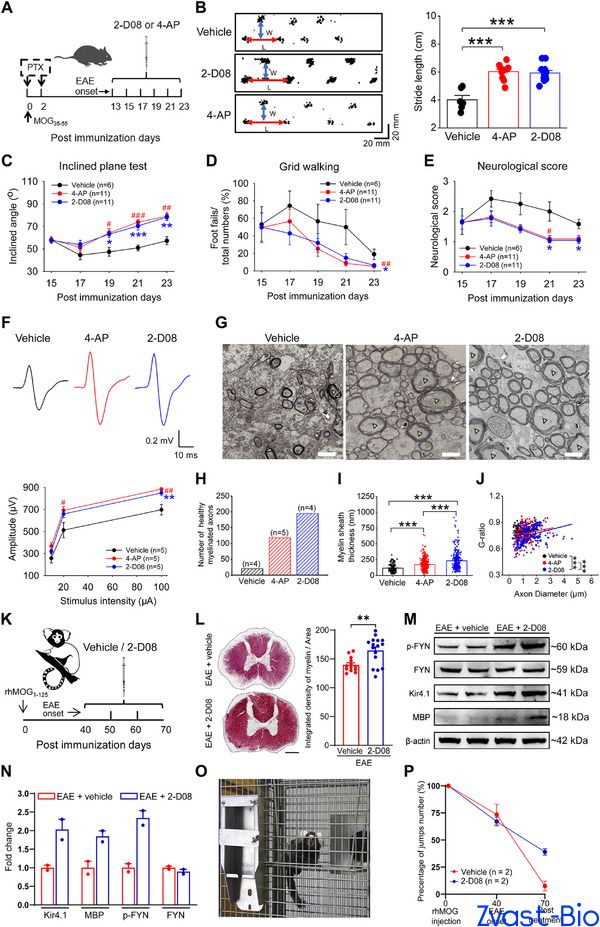
In 2025, the team led by Tong Xiaoping from Shanghai Jiao Tong University published their findings in Advanced Science. Validated using both EAE and marmoset MS models, they confirmed that the candidate drug 2-D08 can resolve the "destruction-repair" imbalance in EAE, providing critical animal experimental evidence for MS research.
Mechanistically, 2-D08 promotes myelin regeneration by targeting and activating the Kir4.1 potassium channel on Oligodendrocyte Precursor Cells (OPCs). This action restores potassium homeostasis and drives OPC maturation. Efficacy was confirmed in two animal models: In MOG35-55-induced EAE mice, 4 weeks of treatment reduced demyelinating lesions and improved neurological scores by over 40%; in the marmoset MS model, it improved motor function without adverse reactions, demonstrating superior reparative effects compared to clinically used drugs. Additionally, animal experiments verified its favorable blood-brain barrier (BBB) penetration, laying a foundation for central nervous system applications.
Animal experimental results confirm that 2-D08 breaks the limitations of traditional treatments, bringing hope for the repair of progressive MS. Supported by solid animal experimental data, the drug has initiated preclinical safety assessments and is expected to become the first MS candidate drug combining both anti-inflammatory and reparative efficacy.
Source: Advanced Science
Targeting Meningeal B Cells: Precision Blockade of the "Relapse Switch" in Neuroinflammation
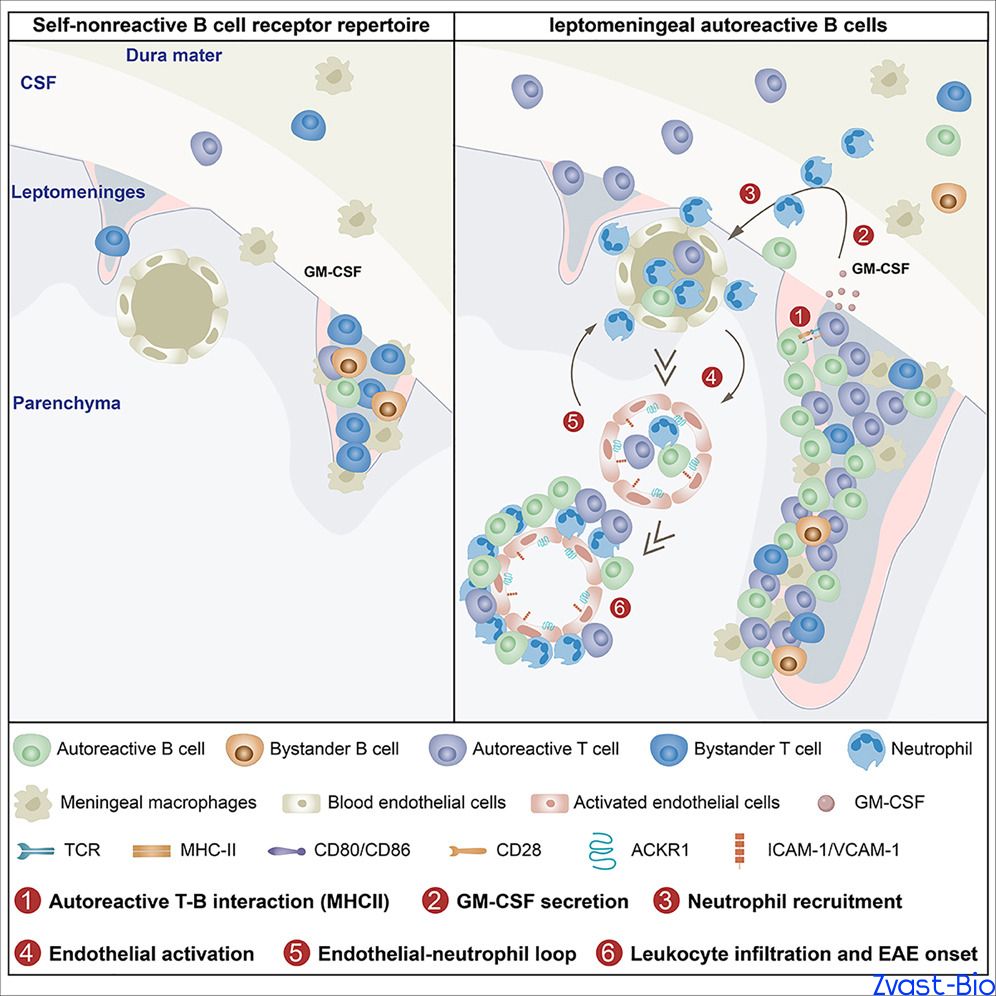
Relapse is a major challenge in MS treatment that current drugs struggle to prevent. In July 2025, the team of He Danyang and Xu Heping from Westlake University published a study in Immunity, identifying intrameningeal autoreactive B cells as the core target for relapse for the first time.
The study confirmed that these B cells amplify inflammation by interacting with encephalitogenic T cells, dependent on B cell MHC II molecules and T cell GM-CSF. Targeted intervention significantly reduced EAE relapses, providing solid preclinical data for drug development.
This discovery opens a window for developing innovative drugs to prevent MS relapses. Standardized animal models are essential for precise target validation and drug screening. Future therapies—such as antibodies and small molecule inhibitors based on this target—hold promise to solve the relapse dilemma.
Source: Immunity
Beyond the innovative strategies of precision-targeting immune cells and myelin repair, exploring therapeutic potential from existing drugs or natural products—achieving "drug repurposing" or "modernization of natural products"—is also a key research direction for EAE treatment in 2025. Such research often features shorter development cycles and controllable safety profiles, enabling faster advancement toward clinical translation.
Modernized Targeting of Traditional Chinese Medicine: Tripterygium Active Ingredients Activate the PACAP/cAMP Pathway for Anti-Inflammation and Repair
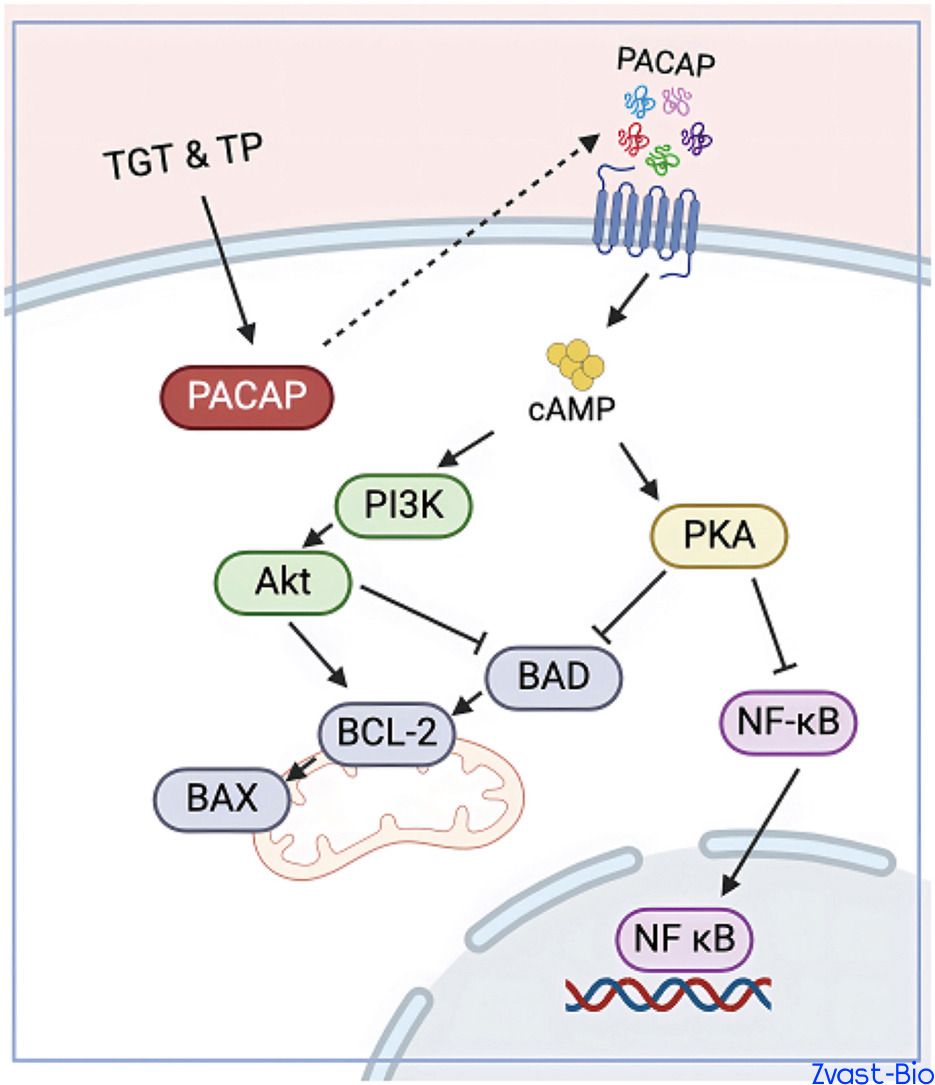
In the wave of modernizing natural product R&D, the precise therapeutic potential of traditional Chinese medicine (TCM) has garnered significant attention. In April 2025, the team of Professors Liu Jingwen and Guo Fujiang from Shanghai University of Traditional Chinese Medicine published a study in the Journal of Ethnopharmacology. The study clarified the therapeutic value of Tripterygium Glycosides Tablets (TGT) and its active component, Triptolide (TP), in EAE, providing new evidence for TCM in treating MS.
Preclinical Validation: Using a MOG35-55-induced EAE mouse model, the study found that TGT and TP significantly improved weight loss and neurological deficits, while reducing spinal cord demyelination and inflammatory infiltration. Formulations lacking TP showed no efficacy, confirming that TP is the core pharmacodynamic substance.
Mechanism of Action: Mechanistically, TP activates the cAMP signaling pathway by upregulating PACAP. This in turn modulates downstream pathways including PI3K-AKT, NF-κB, and apoptosis. Simultaneously, it lowers pro-inflammatory cytokine levels and inhibits the expression of pathogenic transcription factors, achieving a synergistic effect of anti-inflammation, anti-apoptosis, and myelin repair.
Innovation & Significance: The study's innovation lies in confirming TP's status as the core active ingredient and revealing the PACAP/cAMP signaling axis as the key mechanism for the first time. This establishes a modern TCM research paradigm of "Target-Pathway-Phenotype." Building on existing clinical application foundations, TGT/TP is expected to become a potential candidate drug for MS.
Source:Journal of Ethnopharmacology
AI-Powered Pharma: Accelerating EAE Therapeutic Development
In 2025, AI-driven drug discovery has matured in the field of neuroimmune diseases. Its core capabilities—empowering target discovery, molecular design, and efficiency improvement—provide robust technical frameworks for EAE-related MS R&D.
In Target Mining, AI platforms like Insilico Medicine’s PandaOmics integrate multi-omics data to screen targets. This technology is transferable to EAE research, facilitating the discovery of pathways associated with targets such as meningeal B cells.
In Molecular Design, the implementation of technologies like the ED2Mol model and the AI-designed anti-inflammatory protein E127Q allows for the specific optimization of EAE-related candidates, such as Kir4.1 channel modulators, significantly shortening development cycles.
In the Preclinical Phase, AI integrates experimental data to optimize design and predict druggability. This supports the evaluation of compounds like Triptolide, reducing redundant experiments and lowering costs.
Hot Topic Extension: Global MS Drug R&D Competition and Opportunities for Domestic Differentiation
The global MS drug market exceeds USD 20 billion and continues to grow, with R&D focusing on "Precision Anti-Inflammation + Neural Repair." Both international and domestic innovators are accelerating their strategic layouts. Key progress is summarized in the table below:
R&D Entity Type | Representative Entity / Drug | Core Information (Target / Technology / Phase) |
International Pharma | Sanofi | Tolebrutinib (BTK inhibitor); Phase III trial for nrSPMS. |
| Immunic | Vidofludimus calcium (Nurr1 activator); Phase II trial showed a 20% reduction in neurofilament light chain (NfL). |
| Roche | Ocrevus (Subcutaneous formulation); Approved for marketing, improving patient convenience. |
Domestic Entities / Teams | Shanghai Jiao Tong University | 2-D08 (Kir4.1 channel modulator for myelin regeneration); Initiated preclinical safety assessment. |
| IASO Bio | BCMA CAR-T (Ecartisib/BCMA-101); Improved disability scores in progressive MS with no severe neurotoxicity. |
| InnoCare Pharma | Orelabrutinib (BTK inhibitor); Initiated global Phase III clinical trials for MS. |
| Shanghai University of TCM | Triptolide (TP); Modernized TCM outcome with synergistic anti-inflammatory and repair effects; Potential candidate drug. |
2025 EAE Treatment: Leap from "Symptomatic Suppression" to "Precision Repair"
Looking back, EAE research in 2025 has shifted toward "precision targeting + active repair." 2-D08, meningeal B cell targets, and Tripterygium active ingredients are the core breakthrough points, while AI-driven drug discovery has improved R&D efficiency, opening up new possibilities for MS treatment. R&D breakthroughs based on EAE models have yielded a number of potential MS candidate drugs, clarifying the direction of "personalized precision treatment," which is expected to change the MS treatment landscape and benefit more patients.
Do you have any questions about these cutting-edge treatment directions? Welcome to leave your comments and discuss below!
References:
[2] Wang Y, Xu D, Liu S, et al. Cognate interaction-dependent pathogenicity of meningeal B cells drives neuroinflammation relapse. Immunity. 2025;58(9):2256-2270.e8. doi:10.1016/j.immuni.2025.06.016
[3]Wang H, Zou J, Li Y, Liu J, Guo F. Tripterygium glycoside tablets and triptolide alleviate experimental autoimmune encephalomyelitis mice involving the PACAP/cAMP signaling pathway. J Ethnopharmacol. 2025;347:119748. doi:10.1016/j.jep.2025.119748