


Global Race for Weight Loss Drugs: Dual-Track Breakthroughs at Home and Abroad, Oral and Injectable Innovations Advancing in Parallel
Obesity is a chronic metabolic disorder caused by multiple factors, characterized by excessive fat accumulation or abnormal distribution. In China, the diagnostic criteria are BMI ≥28 kg/m², waist circumference ≥90 cm (males) or ≥85 cm (females), with central obesity as a key health risk indicator.
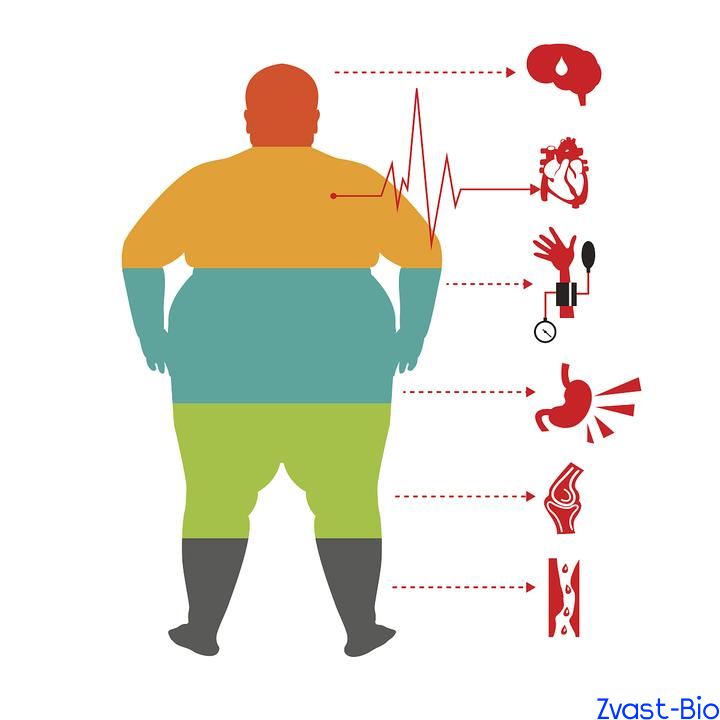
Obesity has become a global epidemic, affecting over 1 billion people. In 2024, 3.7 million deaths were linked to obesity-related diseases, which can induce diabetes, cardio-cerebrovascular diseases and other complications. Without intervention, the number of patients will double by 2030, with global economic costs reaching $3 trillion annually—urgent prevention and control are imperative.
In December 2025, the WHO released its first global guideline on GLP-1 therapies for obesity, marking a milestone transformation in the diagnosis and treatment of obesity. During the same period, intensive breakthroughs were achieved in the R&D of new GLP-1 drugs both domestically and internationally, forming a dual-track pattern featuring convenient oral formulations and potent injectable preparations.
New Progress in Weight Loss Drugs: Oral Track Breaks Barriers, Injectable New Drugs Compete with Upgrades
Driven by WHO guidelines, R&D in the GLP-1 field has heated up, with weight loss drugs forming two core directions: "oral convenience" and "injectable potency". The oral track focuses on GLP-1 small molecules to break administration barriers, while the injectable track leverages multi-target agonists to enhance efficacy, with new mechanisms such as RNAi emerging. Based on industry dynamics, the core progress of the two tracks is as follows:
(I) Oral Track: Convenience Revolution Arrives – World’s First Approved Drug + Domestic AI-Driven New Drugs Sprinting
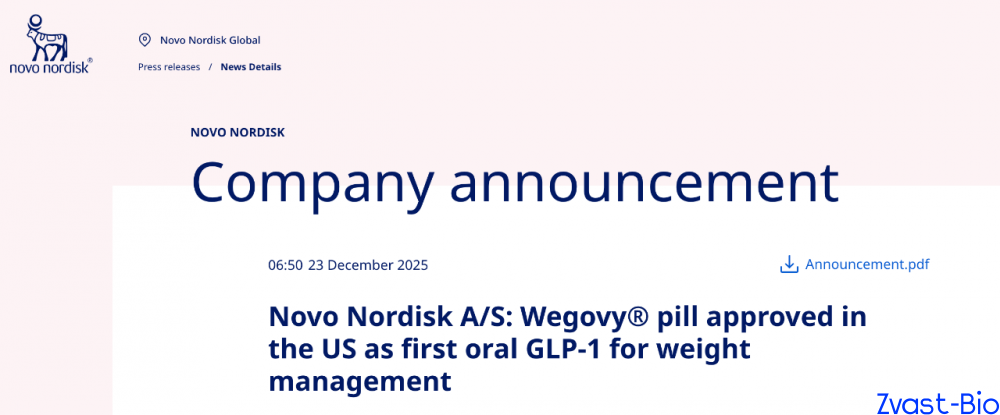
Oral weight loss drugs have become a R&D hotspot due to their convenience: Novo Nordisk’s oral semaglutide obtained FDA approval for weight loss on December 22, 2025, becoming the world’s first oral GLP-1 drug approved for the weight loss indication (its version for diabetes was launched earlier).
Domestically, Denovo Medicines’ AI-designed oral drug MDR-001 has initiated Phase III clinical trials, and Structure Therapeutics’ oral amylin receptor agonist ACCG-2671 has started Phase I clinical trials – verifying the feasibility of oral drugs targeting a single target.
Efficacy and Safety of Oral Drugs Verified: Oral semaglutide achieved an average weight loss of 13.6% over 64 weeks, with 1/3 of subjects losing over 20%, and its safety is comparable to that of injectables. Domestic drug MDR-001 showed an average weight loss of 10.3% in Phase II at 24 weeks and 10%-20% in one year, with an adverse reaction withdrawal rate of only 0.8%, far lower than similar drugs.
Fierce Competition in the Oral Track with Significant Advantages for Domestic Drugs:
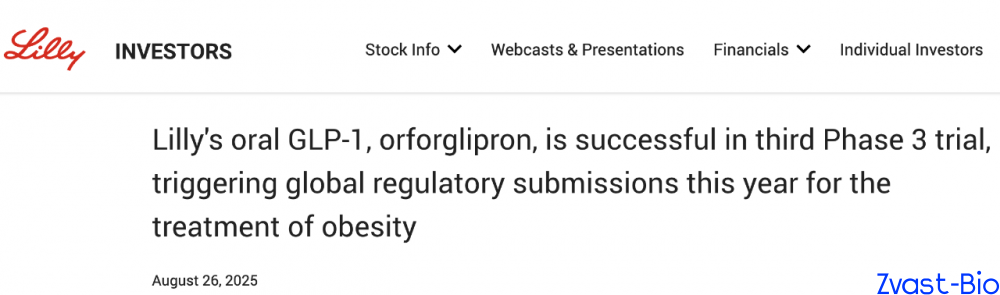
The world's first oral small-molecule GLP-1R agonist is Eli Lilly's Orforglipron (NDA submitted); Hengrui Medicine's HRS-7535 is the first domestic drug of its kind to enter Phase II/III. Additionally, Structure Therapeutics' ACCG-2671 is an oral amylin receptor agonist, with preclinical data showing that combining it with GLP-1 drugs can enhance weight loss efficacy. Chia Tai Tianqing's TQF3250 capsules have obtained clinical trial approvals in China and the US. Denovo Medicines' MDR-001 has accelerated R&D by 50% through AI, with expected production costs reduced by 30%-40% and a target price of 20%-50% of similar peptide drugs; based on current Phase III progress, approval is expected in 2028-2029. Multiple drugs improve metabolic indicators, enriching clinical options.
(II) Injectable Track: Potent Upgrade with Multi-Targets, New Mechanisms Emerging
Injectable weight loss drugs center on "potent weight reduction," forming three major directions: multi-target agonists, emerging Neuropeptide Y (NPY) targets, and RNAi therapies. These approaches precisely regulate metabolism, achieving efficacy approaching that of surgery while improving comorbidities.
Multi-target agonists have become the mainstream in injectables: Domestic company Innovent Biologics' Mazdutide has been approved for a new indication. As the world's first and only approved GCG/GLP-1 dual receptor agonist, it achieved an average weight loss of 14% at 48 weeks. Treatment with the 6mg dose for 24 weeks reduced glycated hemoglobin (HbA1c) by 2.15%. It also demonstrated significant advantages in reducing uric acid and liver fat, making it suitable for Chinese populations characterized by abdominal obesity and fatty liver comorbidities.
Internationally, Novo Nordisk has submitted an NDA for CagriSema, the world’s first GLP-1+Amylin dual-target combination therapy, which achieved 20.4% weight loss in non-diabetic populations at 68 weeks. Eli Lilly’s triple-target Retatrutide set a new record with 24.2% weight loss at 48 weeks, and clinical trials for a new MASH indication have been added alongside Tirzepatide.
Domestically, multi-target drugs from enterprises such as Higermed (East Sunshine) and AstraZeneca have been approved for IND. Both Zhongsheng Pharmaceutical’s RAY1225 and Hengrui’s HRS9531 have added MASH clinical trials, covering multiple metabolic indications. Regarding the emerging Neuropeptide Y target, related drugs from Unionpharma and Borui Pharmaceutical have been approved for IND, with Chinese companies accounting for 35% of global R&D.
Breakthroughs in Metabolic Regulation and RNAi New Mechanisms
In the FGF21 target space, Domire Biotech’s DMR2301 has been approved for IND, achieving 15%-20% weight loss in preclinical studies.
Competition in the RNAi field is intensifying. In January 2026, Shengyin Biotech’s SGB-7342 (targeting INHBE) completed the first patient dosing in China’s Phase I trial. Utilizing GalNAc delivery technology, it demonstrated weight loss while preserving muscle mass with good safety in preclinical studies. Concurrently, the IND application for Chengdu Xiander Biotech’s LDR2515 Injection (an siRNA drug targeting INHBE) was accepted by the CDE. It enables efficient and sustained inhibition of hepatic INHBE expression via subcutaneous injection, with excellent preclinical safety, and is expected to achieve ultra-long-acting administration every six months to a year, providing a new solution for weight loss.
Furthermore, Arrowhead reported positive Phase 1/2a results for two drugs: ARO-INHBE doubled weight loss when combined with Tirzepatide, and the monotherapy reduced visceral fat by 15.6%.
R&D for weight loss drugs faces challenges such as the low bioavailability of oral formulations and the complex regulation of multi-target injectables, necessitating robust preclinical support. Preclinical CROs can empower pharmaceutical companies in critical stages like target validation and candidate screening.
The WHO guidelines have reshaped perceptions, while dual-track R&D, combined with AI and RNAi technologies, is accelerating innovation—particularly evident in the intensive domestic layout of RNAi-based weight loss drugs. The rise of local new drugs enhances accessibility, and leveraging preclinical platforms allows companies to overcome technical hurdles and seize opportunities in the $100 billion market.
If your company is developing innovative obesity treatments, we offer comprehensive animal model services to support your preclinical research. Let us help you seize the first-mover advantage—welcome to contact us!