


Decoding Scleroderma: Precision Targeting and Regenerative Repair | Including an Overview of Systemic Sclerosis Models
Systemic sclerosis (SSc), commonly known as scleroderma, is a rare autoimmune disease characterized by diffuse fibrosis and vascular abnormalities affecting the skin, joints, and internal organs. Common symptoms include Raynaud's phenomenon, polyarthritis, difficulty swallowing, heartburn, swelling, and eventually skin thickening and finger contractures. Involvement of the lungs, heart, and kidneys is the leading cause of death.
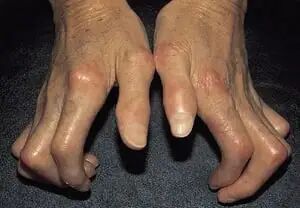
(In the late stages of scleroderma, the skin becomes shiny and thickened, with normal lines disappearing due to tightness)
The incidence of SSc is about 1 in 100,000, and women are approximately four times more likely to be affected than men. Although rare, it is one of the rheumatic autoimmune diseases with the highest mortality rates. SSc is mainly divided into limited cutaneous SSc (lcSSc) and diffuse cutaneous SSc (dcSSc). In addition, there are scleroderma without skin sclerosis (sine scleroderma) and overlap syndrome.
From 'Systemic Sclerosis' to Precise Classification
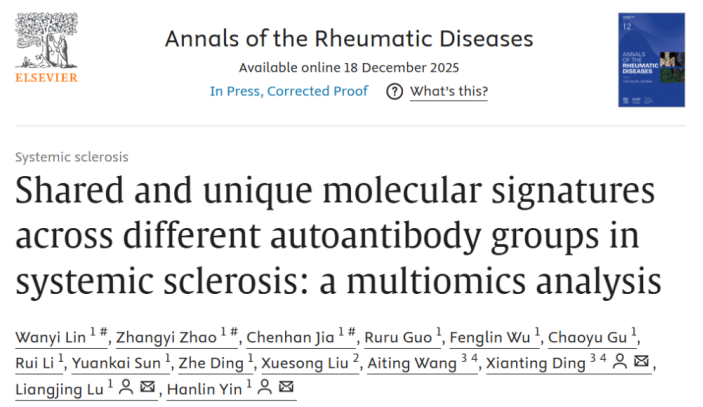
This study innovatively classified SSc into seven subgroups based on the patients' own antibody types: ACA, ATA, ARA, U1RNP, U3RNP, Ku, and Th/To. The team integrated plasma proteomics, peripheral blood mononuclear cell transcriptomics, immune cell phenotyping, and plasma metabolomics data to construct a comprehensive molecular atlas for each antibody subgroup.
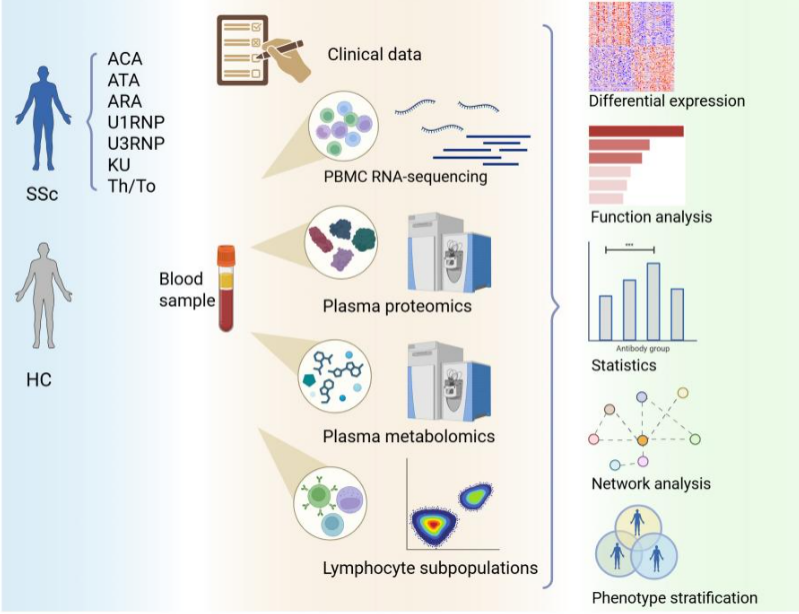
The research results indicate that all SSc subgroups share common pathogenic mechanisms, including endothelial damage, extracellular matrix deposition, activation of the type I interferon signaling pathway, and a reduction in regulatory B cells. At the same time, each subgroup exhibits distinct biological characteristics: ACA-positive is associated with calcinosis; ATA-positive shows oxidative stress; ARA-positive exhibits activation of cancer-related signaling pathways; U1RNP-positive displays active chromatin remodeling; U3RNP and Ku subgroups show significant muscle involvement; Th/To-positive is closely associated with metabolic features related to pulmonary arterial hypertension.
This study reveals the specific mechanisms through which different antibody subtypes drive disease development from a multi-omics perspective, providing direct evidence for the pathogenic role of autoantibodies and laying a solid theoretical foundation for precise classification and personalized treatment of SSc.
Breakthrough Advances in Cell Therapy
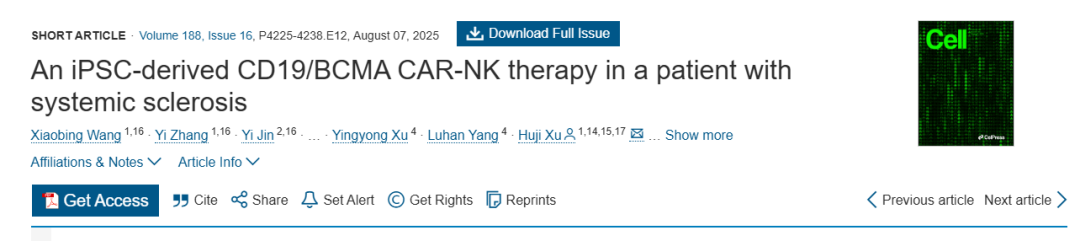
In June 2025, the research team led by Professor Xu Huji at Shanghai Changzheng Hospital was published in Cell, marking a new phase for cell therapy.
The team used the iPSC-derived CD19/BCMA dual-target CAR-NK cell product QN-139b to successfully achieve the first clinical translation for refractory systemic scleroderma. This 'off-the-shelf' cell therapy employs multi-gene editing to overcome the high toxicity and personalized manufacturing limitations of traditional CAR-T treatments. After treatment, patients showed significant improvement in skin sclerosis, as well as marked enhancement in key lung and heart function indicators. Its 'low toxicity and broad targeting' characteristics make large-scale application possible.
The treatment of systemic sclerosis has moved from traditional 'symptomatic treatment' to a new era of 'precise targeting and regenerative repair.' With the improvement of the iPSC-CAR platform, CAR-NK therapy is expected to expand into more autoimmune disease areas, and mass-produced 'off-the-shelf' cellular products will significantly reduce treatment costs. The in-depth application of multi-omics technologies will enable personalized treatment plans for 'one person, one strategy,' while clarifying the pathogenic mechanisms provides possibilities for developing new drugs.
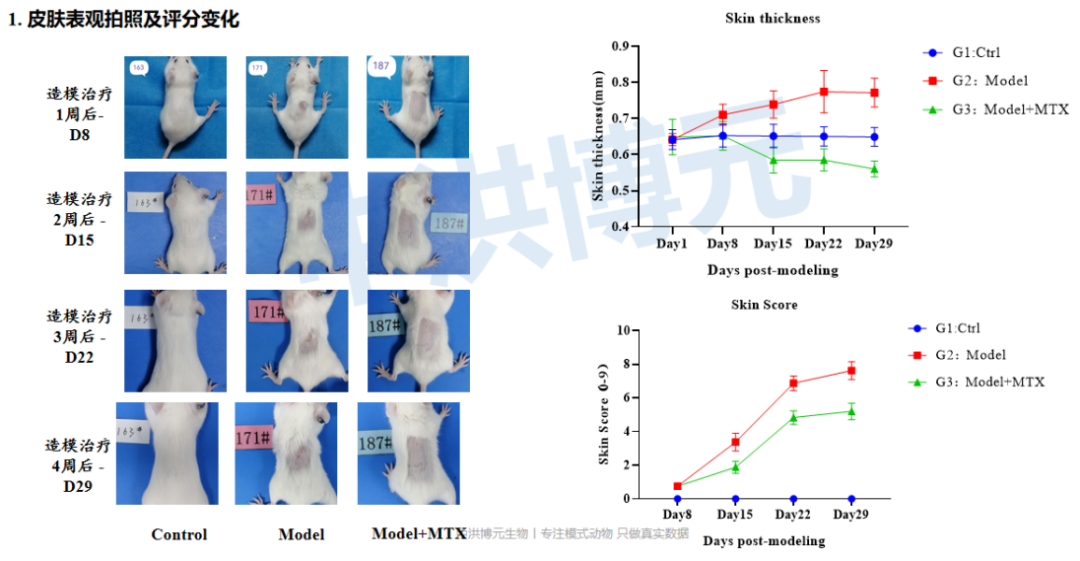
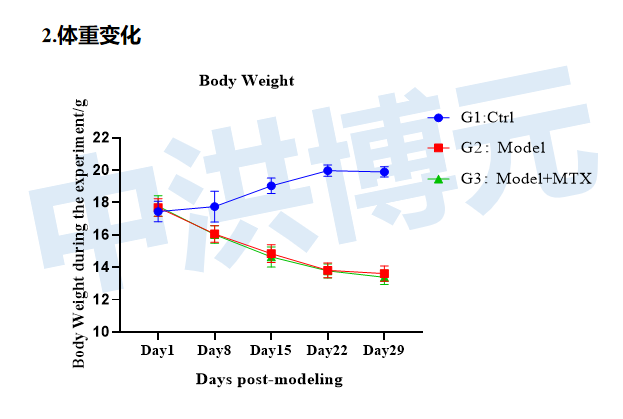
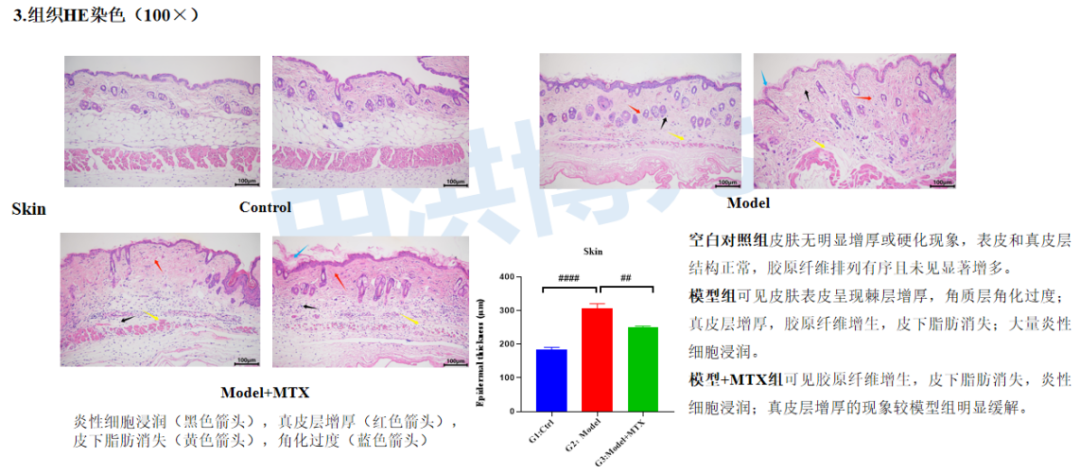
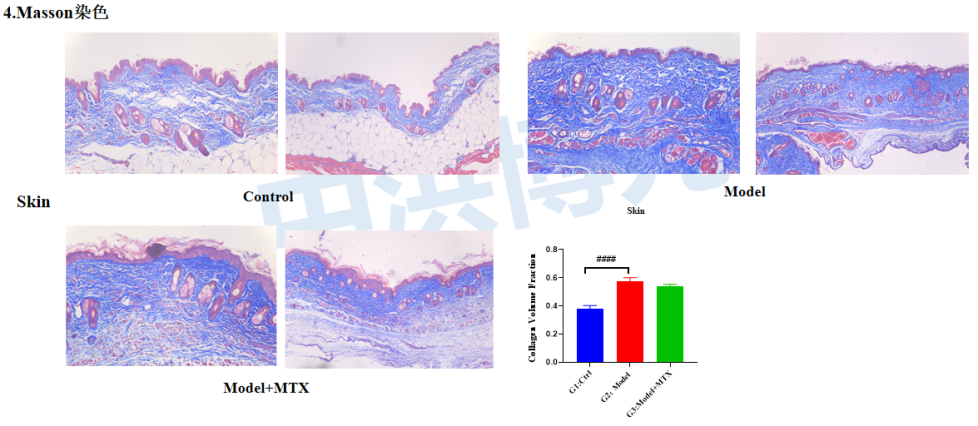
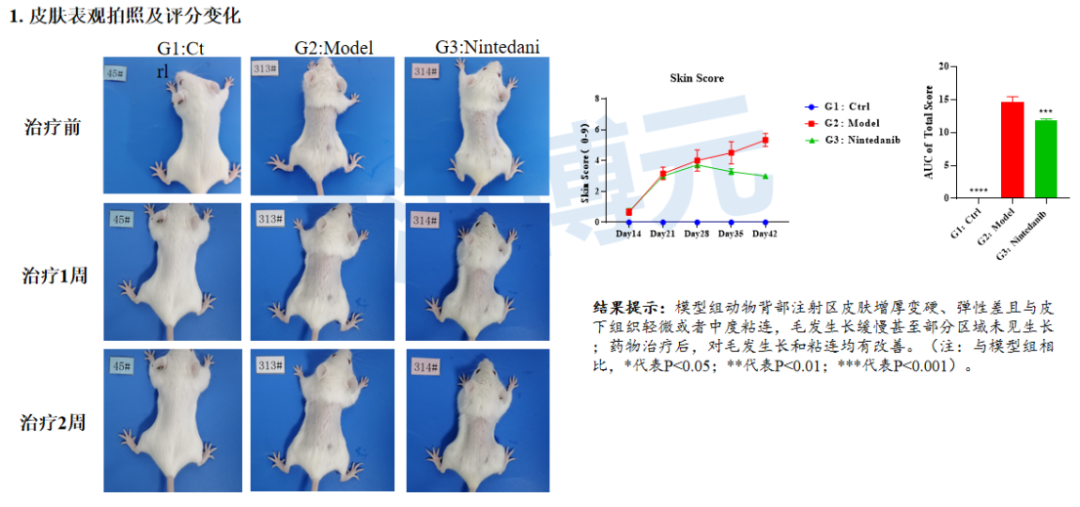
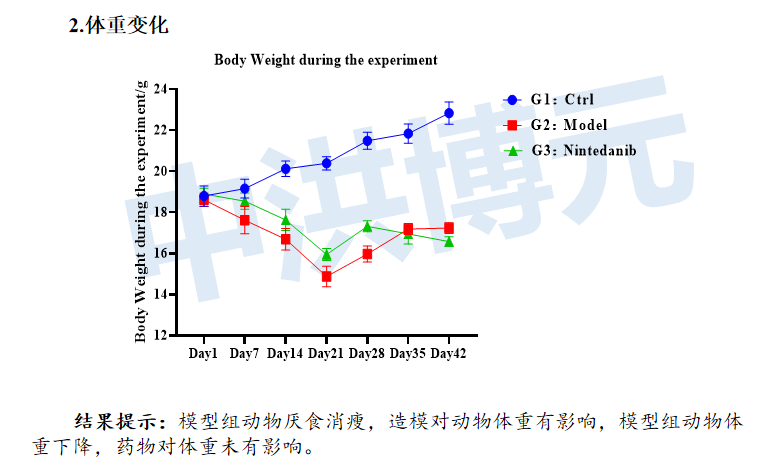
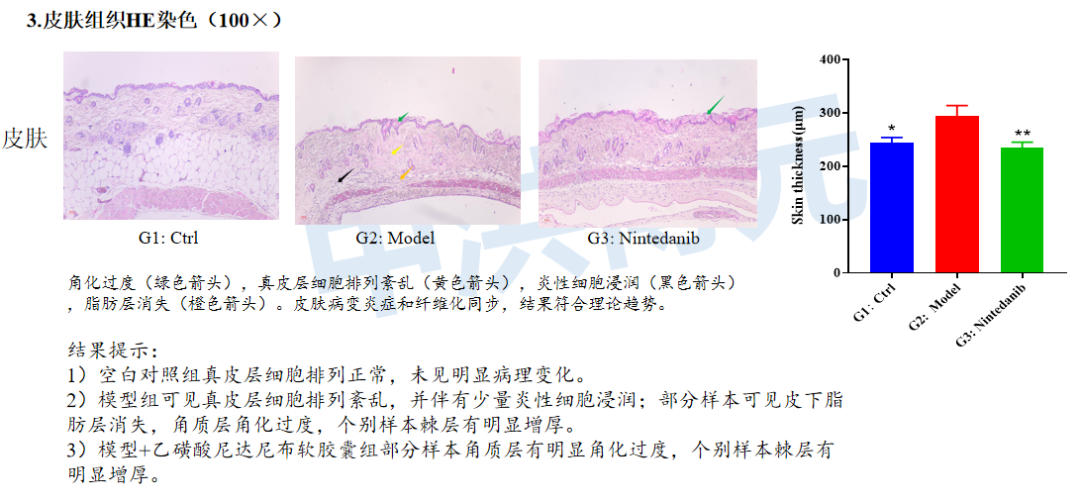
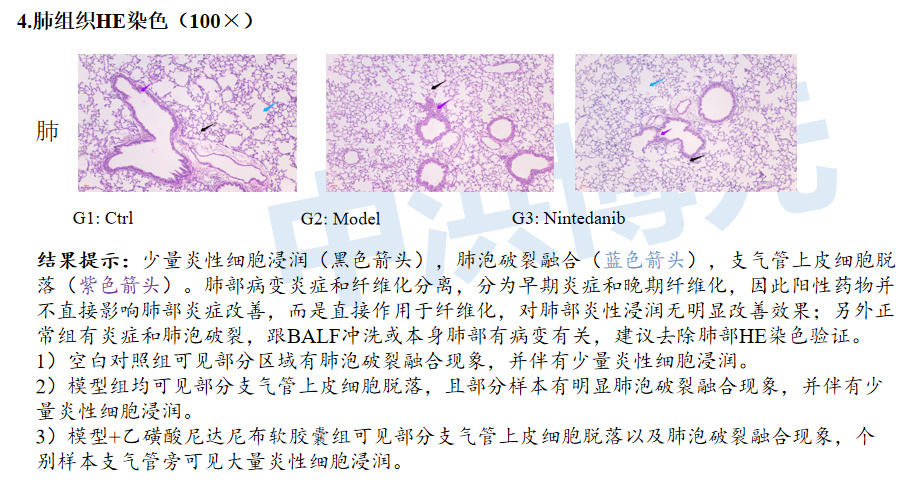
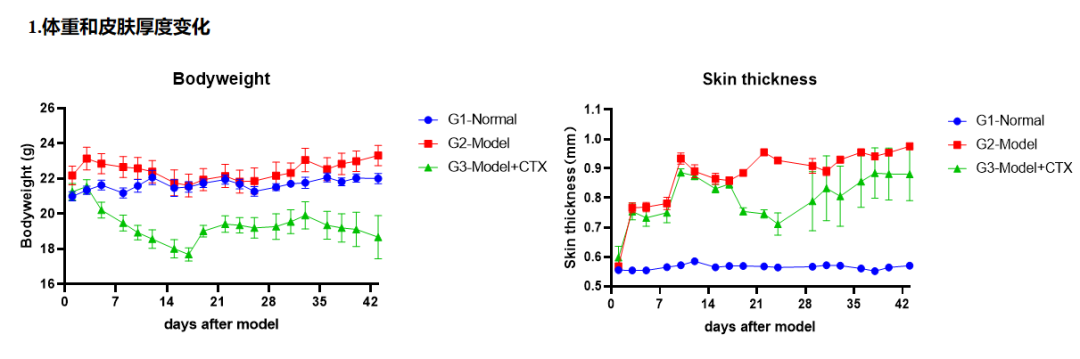
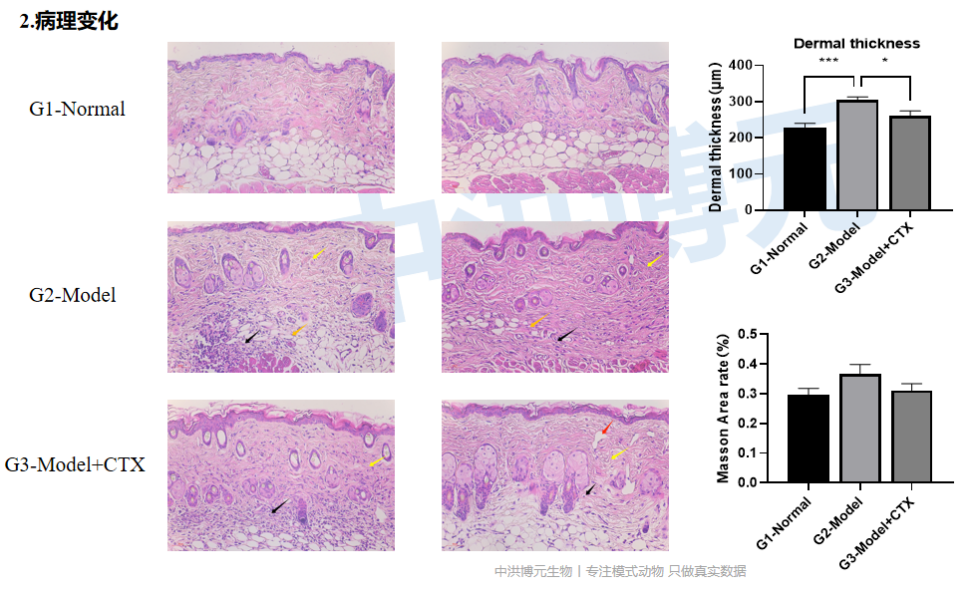
The most widely used and mature animal model for disease currently is the bleomycin (BLM)-induced mouse model of scleroderma. Bleomycin is an antitumor antibiotic that can induce fibroblast activation, proliferation, and excessive deposition of extracellular matrix (ECM). Local injection of bleomycin into the skin or subcutaneous tissue of animals, or introducing it into the body through intratracheal instillation, can cause skin and lung fibrosis similar to that seen in human scleroderma, offering advantages such as simplicity of modeling and good reproducibility.
Zvast-Bio Systemic Sclerosis (Scleroderma) Model
Bleomycin-Induced Mouse Model of Scleroderma
Experimental animals: Female Balb/c mice, 7-8 weeks old, 18-20 g.
2. Positive drug: Nintedanib esylate soft capsules, PO*BID*2 weeks
HOCl-Induced Mouse Model of Scleroderma
Reference:
1.Lin W, Zhao Z, Jia C, et al. Shared and unique molecular signatures across different autoantibody groups in systemic sclerosis: a multiomics analysis. Ann Rheum Dis. 2025 Dec 18:S0003-4967(25)04552-2.
2.Wang X, Zhang Y, Jin Y, et al. An iPSC-derived CD19/BCMA CAR-NK therapy in a patient with systemic sclerosis. Cell. 2025;188(16):4225-4238.e12.