New Breakthrough in ALS | Introduction to the Amyotrophic Lateral Sclerosis Model
Amyotrophic lateral sclerosis (ALS), commonly known as Lou Gehrig's disease, is a complex neurodegenerative disorder primarily caused by damage to the upper and lower motor neurons. It is characterized by progressive skeletal muscle weakness, muscle atrophy, bulbar palsy, and pyramidal tract signs, leading to difficulties in movement, speaking, swallowing, and even breathing, ultimately resulting in death.
ALS is not yet curable, and the survival period for patients after onset is typically 2 to 5 years. ALS can be categorized into sporadic and familial forms, with familial ALS often caused by mutations in multiple genes. To date, more than 40 genes have been associated with ALS, accounting for approximately 70% of familial cases and about 15% of sporadic cases. Among these, four genes show the most significant associations: C9orf72, SOD1, FUS, and TARDBP, and related drug development is progressing accordingly.
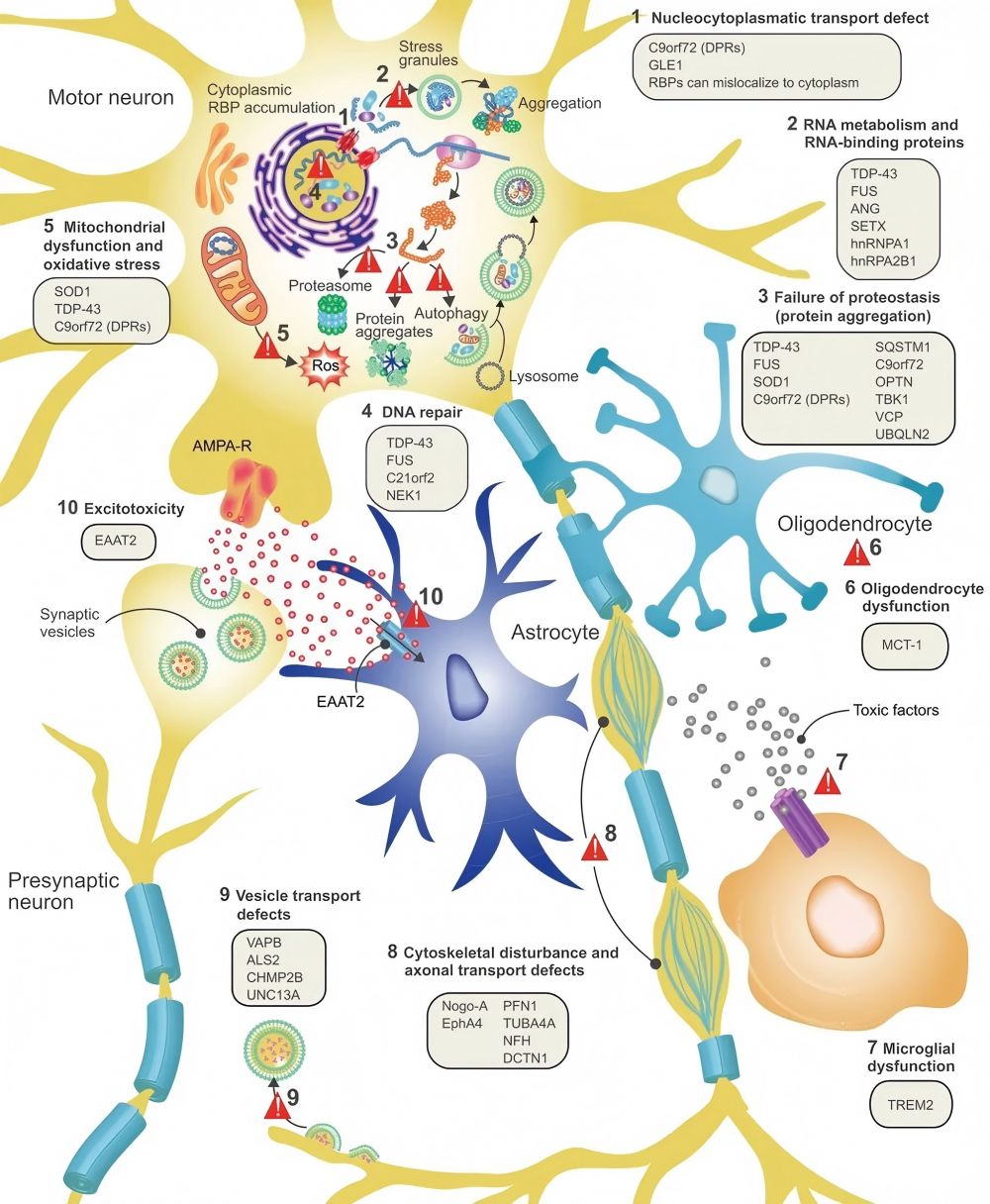
Among them, about 20% of familial ALS and 5% of sporadic ALS are caused by SOD1 gene mutations. In China, SOD1 is the most common gene mutation leading to ALS. SOD1 gene mutations lead to the abnormal aggregation of superoxide dismutase 1 (SOD1) protein within motor neurons, causing neuronal damage and death, ultimately resulting in muscle atrophy, limb weakness, and even respiratory failure.
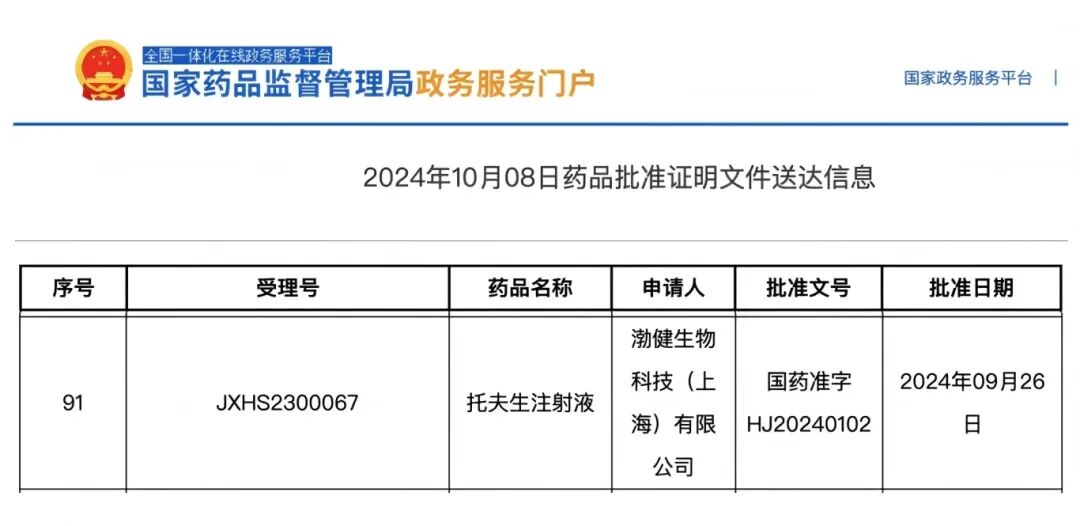
On January 1, 2026, news broke that a new RNAi therapy, RAG-17, developed by the team of former JD vice president Cai Lei, had stopped the progression of ALS in 29-year-old patient Xiao Liu after two years of treatment, and he was even able to walk without a wheelchair. However, Cai Lei himself is not eligible for the drug.
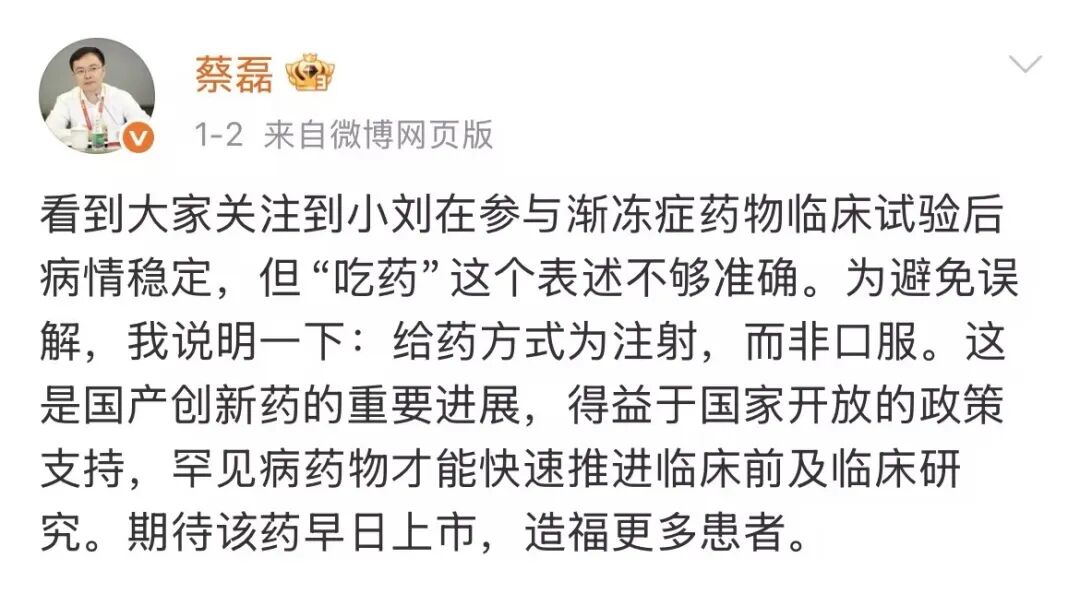
RAG-17 is a small nucleic acid drug developed jointly by China-America Ruikang and Cai Lei's team, targeting ALS caused by SOD1 gene mutations. On November 24, 2024, the drug received orphan drug designation from the U.S. FDA. Clinical data show that it can effectively improve patient survival and slow disease progression. In 2025, Cai Lei's team, through in-depth exchanges with more than 60 top global research teams, close collaboration with over 50 biotechnology companies, and cooperation with more than ten hospitals, promoted nearly 100 ALS research collaboration projects, supporting 15 drug pipelines and treatment technologies to achieve clinical translation breakthroughs, with over 30 of them entering clinical trials.
治疗方向/药物名称 | 临床阶段 | 适用亚型 | 关键数据/核心成效 | 合作主体/补充说明 |
RNAi疗法(RAG-17) | 2025年12月启动II期临床试验 | SOD1基因突变型ALS | 1. 安全性良好,无剂量限制毒性及严重不良反应;2. 单次鞘内给药后,快速且持续降低脑脊液SOD1水平与血浆神经损伤生物标志物NfL;3. 案例:20多岁女性患者用药后16个月脱离轮椅、恢复行走 | 蔡磊-中美瑞康联合实验室;中美同步推进临床 |
RNAi疗法(RAG-21) | 临床前研究阶段(获FDA孤儿药认证) | FUS基因突变型ALS | 1. 临床前实验中高效沉默FUS基因;2. 显著延长疾病模型鼠存活期;3. 给药后可显著降低相关生物标志物水平,有望实现每2-3个月一次鞘内给药 | 蔡磊-中美瑞康联合实验室;针对尚无疾病修饰疗法的FUS-ALS患者 |
基因治疗药物(SNUG01) | 中美双批临床试验(国际多中心临床阶段) | 肌萎缩侧索硬化(ALS) | 全球首创靶向TRIM72,获中美药监局临床试验许可及FDA孤儿药资格认定 | 蔡磊-神济昌华联合实验室;2025年8月获NMPA临床试验默示许可 |
热休克蛋白gp96免疫疗法 | 首个人体临床研究完成 | 泛ALS患者(未限定基因亚型) | 1. 安全性及耐受性良好;2. 有效改善患者免疫稳态;3. 约40%患者疾病进展显著减缓,可降低促炎免疫细胞比例、增强调节性T细胞功能 | 蔡磊-热休生物联合实验室;成果发表于《The Innovation Medicine》 |
AI筛选核心靶点干预策略 | 临床前动物模型验证阶段 | ALS(含散发型潜在适用) | 1. 干预策略在标准ALS动物模型中生存期延长效果位列已公开报道前1%;2. 验证了AI精准预测靶点的可行性,研发效率提升百倍 | 渐愈互助之家AI科研大脑团队;基于因果推理靶点预测体系 |
骨髓移植彻底免疫重建疗法 | 临床前动物模型验证阶段 | 散发型ALS(潜在适用) | 首次在临床前动物模型验证治愈可能路径,为散发型ALS提供新方向 | 蔡磊团队联合全球科研力量;借助AI科研大脑发现并验证 |
Note: 1. The data is sourced from Cai Lei's team 2025 annual report and publicly available research results, as of January 2026; the Gradual Recovery Mutual Aid Home platform (18,000 registered patients) provides big data support for all findings.
Currently, there is no drug with market dominance. The difficulty in ALS drug development lies in the complex pathogenesis and dispersed driver genes, with many patients unable to identify a clear driver gene. It is believed that in the foreseeable future, ALS research and development will remain quite active.
In addition, in October 2023, a study reported that Johns Hopkins University in the United States developed a brain-computer interface (BCI) for treating amyotrophic lateral sclerosis (ALS). On October 11, 2025, Neuralink, Elon Musk's brain-computer interface company, demonstrated footage of ALS patient Nick Wray using the BCI to control a robotic arm to eat. Wray has completed the brain implantation of the N1 chip, and Cai Lei also mentioned plans to try a brain-computer interface in the future.
Zvast-Bio Rat Model of Amyotrophic Lateral Sclerosis
Experimental animals: SD rats, male, 6-8 weeks old.
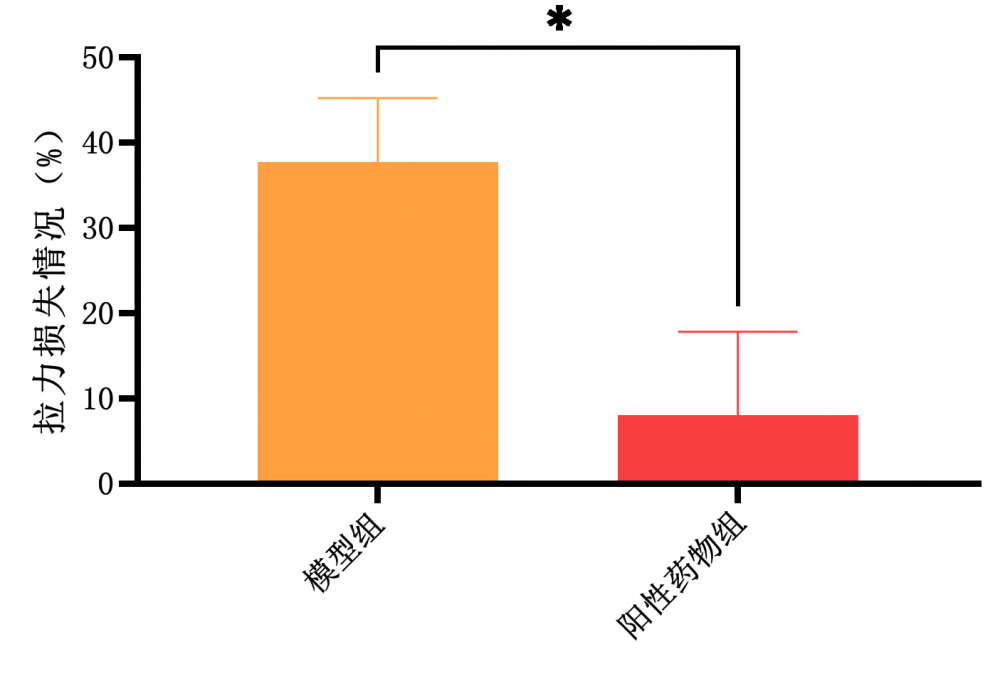
1. Tensile Test
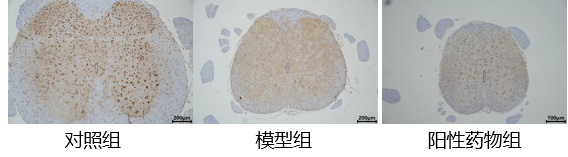
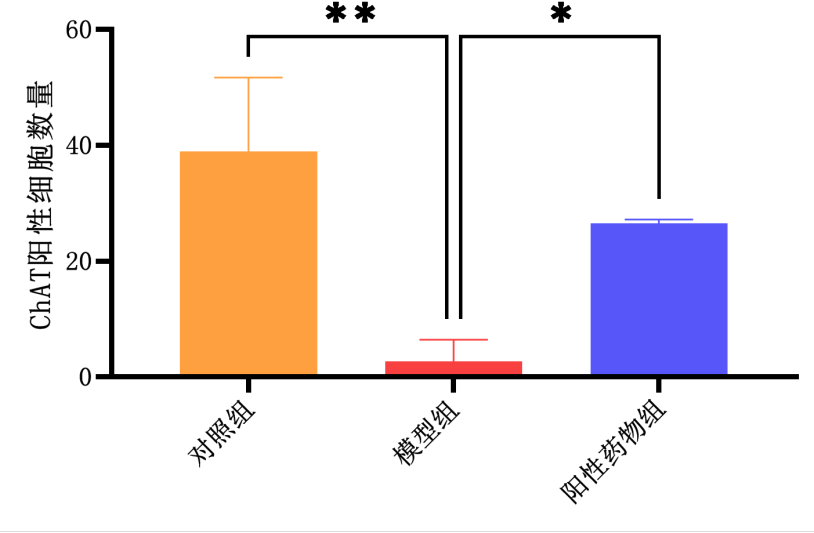
2. Immunohistochemistry of spinal cord tissue